Your February Monthly News Roundup is here! Curated for Certified Wellness Coaches, click through to read summaries or full articles on the latest behavioral health news.
Spread The Wellness.
Right now, nearly half of California’s youth are struggling with their mental health and well-being. There’s never been a better time to be a California Certified Wellness Coach. A strong and diverse workforce means a healthier California.
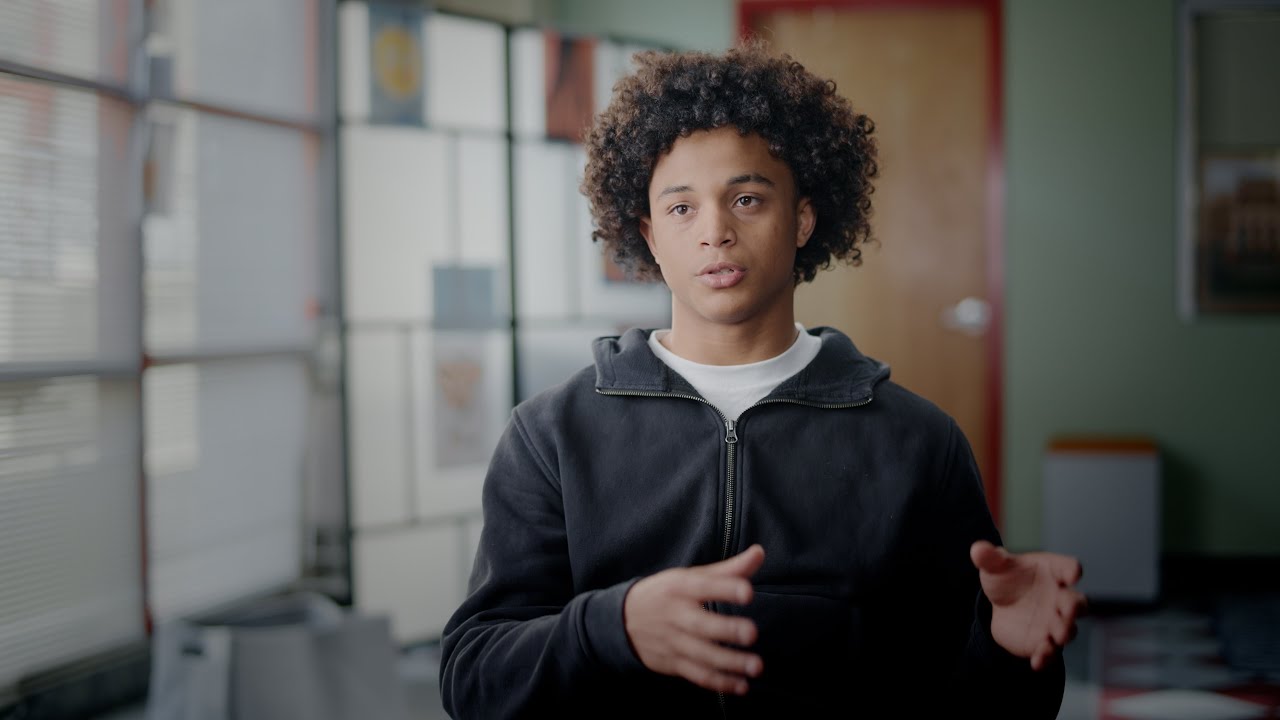
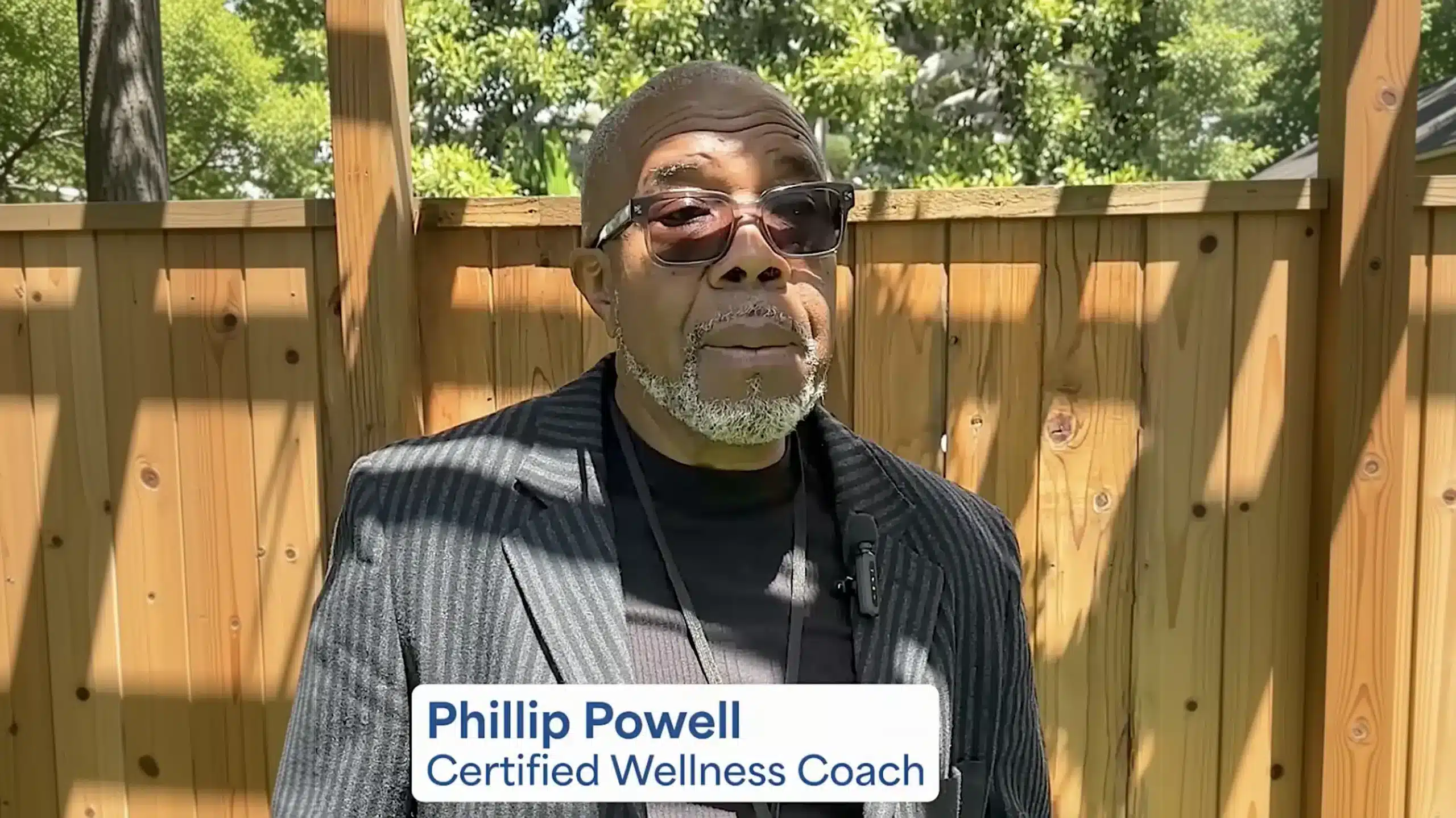
Real Stories. Real Perspectives.
See how Certified Wellness Coaches are making a difference.
What is a Wellness Coach?
There is an urgent need to support the mental health needs of California’s children and youth. Certified Wellness Coaches (Coaches) provide care to young people through prevention and early intervention services. These services support overall physical, emotional, and mental well-being.
About Becoming A CertifiedWellness Coach
Check Your Eligibility
How can a Certified Wellness Coach benefit your program or community?
Today’s mental health crisis is negatively impacting children and youth in California. Certified Wellness Coaches create real change. Coaches make a positive difference in schools, health care programs, and community organizations because they can help the young people they serve have better, happier lives.
For Employers
How to Become an HCAI-Designated Education Program
HCAI-Designated Education Programs are state-partnered colleges and universities whose curricula meet all the requirements for students to apply for a Wellness Coach certification upon graduation.
Become an Education Program
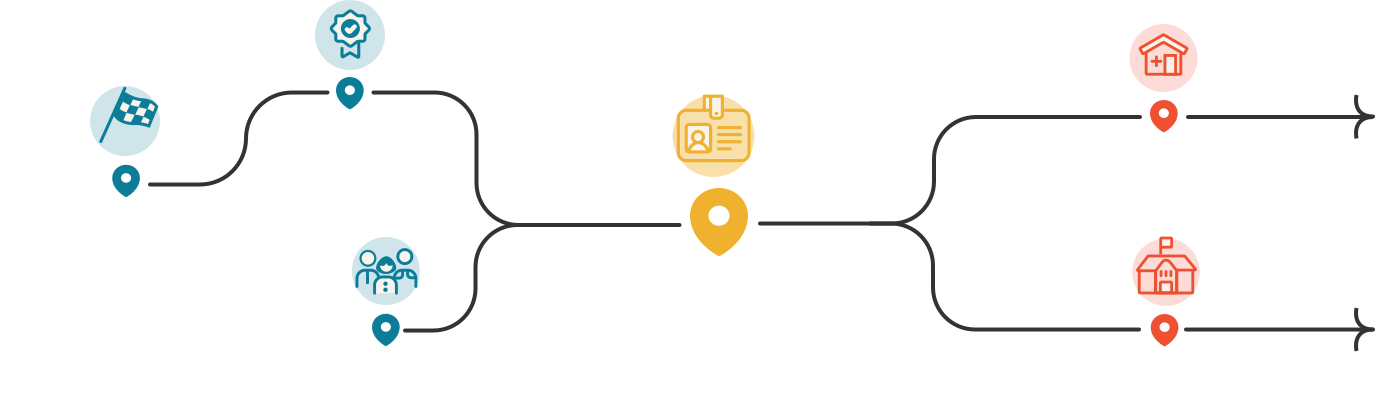
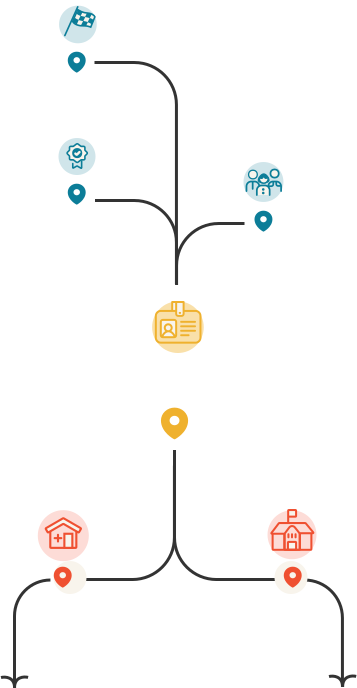
Transforming care through the
Certified Wellness Coach workforce
Your Degree
Designated Education
Programs
in Similar Professions
Coaches (CWCs)
Community &
Health Settings
School
Settings
About CYBHI and the Master Plan for Kid’s Mental Health
The goal of California’s Children and Youth Behavioral Health Initiative (CYBHI) is to ensure that children and youth have access to support for their mental health and well-being. This multibillion-dollar investment is part of California’s Master Plan for Kids’ Mental Health.
With the funding from CYBHI, the California Department of Health Care Access and Information (HCAI) is responsible for training more people to work in behavioral health. This includes training professionals, such as Certified Wellness Coaches, to support children and youth from diverse backgrounds. At participating schools and school-linked sites, Certified Wellness Coach services are eligible for reimbursement through the CYBHI Fee Schedule program, making it easier for students and families to get support when, where, and how they need it.
Currently, HCAI is engaging with various groups to support these efforts. These groups include children, families, community members, school experts, government officials, and partners from other agencies.
Have More Questions?
What is the difference between a Wellness Coach and other community health roles?
Who could benefit from the services of a Wellness Coach? Who could benefit from hiring a Wellness Coach?
What is the goal/purpose of the Wellness Coach program?
Who is behind the program?
What is the cost of education to become a Wellness Coach?
When can I enroll in an HCAI-Designated Education Program?
What are my career opportunities as a Wellness Coach?
What is the average salary for a Certified Wellness Coach?
What is the difference between the Workforce Pathway and the Education Pathway?
What is the difference between a Certified Wellness Coach I and Certified Wellness Coach II?
Why should I hire a Certified Wellness Coach?
What kinds of organizations should hire Certified Wellness Coaches?
What if my employees want to become Certified Wellness Coaches?
Besides California Community Colleges and Cal State Universities, can other organizations apply to become HCAI-Designated Education Programs?
How can my college or university become an HCAI-Designated Education Program?
What's in the curriculum?
Who can become a Wellness Coach?
How much does the certificate cost?
How can I verify a potential employee is a Certified Wellness Coach?
What is a Wellness Coach? What do they do?
What is the salary range for Certified Wellness Coaches?
Does my certification expire?
How can I fund or offset the cost of Certified Wellness Coaches?
An associate degree is required to become a Wellness Coach I and a bachelor degree is required to become a Wellness Coach II. The cost of the education is dependent on the program. You can learn more about the requirements by clicking here.
The Wellness Coach role is part of a broader initiative called the Children and Youth Behavioral Health Initiative. The Department of Health Care Access and Information is responsible for developing the Wellness Coach role and will be the certifying entity.
The Wellness Coach role is a new, certified position to increase our state’s overall capacity to support the growing behavioral health needs of our youth. It is designed to help build a larger and more diverse and representative behavioral health workforce in California that has the training and supervision needed to engage directly with young people where they live, study and work.
Wellness Coaches will offer non-clinical services that support youth behavioral health and well-being, such as wellness promotion and education, screening, care coordination, individual and group support, and crisis referral. The model will supplement and support existing behavioral health roles, fill gaps in the current behavioral health workforce, and create a larger and more diverse workforce with whom youth can connect.
Certified Wellness Coaches can help young people aged 0-25 and their families who are looking for support with their mental well-being.
Schools, healthcare facilities, and community organizations can also benefit greatly by hiring a Certified Wellness Coach. Coaches help support their students, patients, and members.
A Certified Wellness Coach focuses on promoting behavioral health and wellness for children and youth aged 0-25. They offer non-clinical support through wellness promotion and education, screening, care coordination, individual and group support, and crisis referral. There are two certification levels, Certified Wellness Coach I, and Certified Wellness Coach II, which require an associate's or bachelor's degree, respectively. While they can operate in a wide variety of settings, they will work primarily in school-based and school-linked settings.
On the other hand, other community health roles deal with broader health issues and generalized support. This includes chronic diseases and social factors. They do this through advocacy, education, and connections to services. They can be found in places like health care, social services, and communities. These roles also have different certification and training paths.
The Wellness Coach certificate is free.
Entry into the Certified Wellness Coach I education program is for those with little or no experience in behavioral health or related fields. Candidates are eligible to apply for certification upon completion of their associate degree in a qualifying subject and completing the minimum hours of field experience. The primary scope of practice for these individuals is wellness education, life skills, linkage to care, and supporting universal mental well-being for children and youth.
Entry into the Certified Wellness Coach II education program is for those who already have an associate degree in a related field or are completing a bachelor’s degree at a California university. Candidates are eligible to apply for certification upon completion of their bachelor’s degree in a qualifying subject with specified competencies and completing the minimum hours of field experience. The primary scope of practice for these individuals builds on the Wellness Coach I scope, including supporting individuals and small groups in goal setting, life skills, and coping skills.
These two levels make sure that Certified Wellness Coaches can help a wide range of people in the community, from basic support to specialized assistance.
There are two ways to become a Certified Wellness Coach: the Workforce Pathway and the Education Pathway.
The Workforce Pathway is for people who have experience providing direct pre-clinical behavioral health services to children and youth through age 25 in school-linked/school-based organizations, non-profits, community organizations, and/or health centers/clinics within the last six years. They will also have an associate or bachelor’s degree from any accredited program within the U.S. (International degrees accepted with proper equivalency paperwork.)
The Education Pathway is for recent graduates with an associate or bachelor’s degree from an accredited California college or university with a degree in human services, social work, addiction studies, or psychology within the last six years.
Employers set salaries based on their organization type and location. For HCAI’s Employer Support Grant, salary benchmarks were chosen by looking at living wage suggestions, and what other behavioral health workers earn in different areas. The median salary ranges below were identified and used for the grant:
- CWC I: $53,500 + benefits
- CWC II: $63,500 + benefits
Being a Certified Wellness Coach can be a job all on its own. And it can also be a starting point that gives you job and training benefits if you want to move up in your career by learning more and getting further education.
Some colleges and universities are launching their HCAI-Designated Education Programs soon. Check out which programs are partnering with HCAI here.
Your certification is valid for two years from the date it was issued. You can check your certification status, issue date, and expiration date at any time. You will receive an email notification six months before your deadline with an application link to renew your certification.
Explore recertification requirements or log into your individual certification portal to recertify today.
Effective January 1, 2025, Certified Wellness Coaches services are now a covered benefit under Medi-Cal. Employers can now offset the costs for their CWC employees by billing for their services.
CWC services are also part of a statewide program that allows schools and school-linked organizations to bill both Medi-Cal and commercial insurance via the CYBHI Fee Schedule program. Offered at no cost to families, this initiative helps ensure that more children and youth can access the wellness support they need, wherever they are.
Over 500 organizations across California are already participating in the program. Read more from DHCS.
Hiring Certified Wellness Coaches can help your organization better support clients and promote well-being. It’s a win-win that benefits both your staff and clients. If employees want to be Certified Wellness Coaches, they can explore our certification paths and check their eligibility before applying. Once confirmed they meet the qualifications, they can apply by clicking the “Get Certified” button in the menu bar above.
A wide range of organizations serving children and youth can benefit from hiring a Certified Wellness Coach. This includes schools, health care organizations, community groups, and others.
- Schools: Support student well-being and create a positive learning environment.
- Health Care Programs: Integrate health and wellness into patient care, improving overall health outcomes.
- Community Organizations: Provide wellness education and support to community members, fostering a culture of well-being.
- Nonprofits: Enhance their services by enhancing the mental wellness of their students populations.
- Government Agencies: Implement behavioral health programs and initiatives, particularly for youth.
- Corporations: Promote employee well-being, reduce stress, and improve productivity.
- Health Clinics: Complement clinical services with wellness and recovery support.
- Rehabilitation Centers: Assist individuals in their journey to recovery and well-being.
- Youth Programs: Provide mentorship and guidance for young people facing mental health challenges.
- Social Services Agencies: Offer holistic support to students, supporting mental wellness on an individual level.
You can help fill gaps in youth mental health services in California by hiring a Certified Wellness Coach. You’ll also be giving children and youth important behavioral health and mental wellness support. This can help your organization thrive.
Hiring a Certified Wellness Coach is a great choice for your organization. It’s important to know that these Coaches don’t provide clinical treatment. Instead, they help fill gaps in youth services in California. They give important behavioral health support, promoting mental well-being. This can make a big difference to both your clients and your organization.
Use the employer verification tool tool to confirm certification status.
Certified Wellness Coaches (Coaches) provide care to young people through prevention and early intervention services. These services support overall physical, emotional, and mental well-being.
Employers set salaries based on their organization type and location. For our employer grant, HCAI chose salary benchmarks. We did this by looking at living wage suggestions, and what other behavioral health workers earn in different areas. We also looked at jobs that require similar education and training. These median salary ranges were identified and used for the grant:
CWC I: $53,500 + benefits
CWC II: $63,500 + benefits
- You'll complete an Associate Degree with a minimum of 60 semester units of degree-applicable coursework.
- You'll also complete 150 hours of supervised field experience. Field experience must occur in child-serving settings and include direct services, supervision, and related activities. Supervision must be provided by qualified professionals, such as PPS-credentialed staff, licensed clinicians, or other trained behavioral health supervisors.
- Prepares graduates with foundational knowledge and skills to work in positions that focus on wellness promotion and education, care coordination, and screening for basic behavioral health needs.
- This path is more in-depth. You'll complete a Bachelor's Degree with a minimum of 120 semester units of degree-applicable coursework.
- You'll also complete 300 hours of supervised field experience. Field experience must occur in child-serving settings and include direct services, supervision, and related activities. Supervision must be provided by qualified professionals, such as PPS-credentialed staff, licensed clinicians, or other trained behavioral health supervisors.
- Builds on the Certified Wellness Coach I curriculum and prepares graduates with more advanced behavioral health knowledge and skills.
Beginning now, colleges and universities with social work, human services, addiction studies, or related programs can start matching their courses with HCAI training needs. To kick start the process, collaborate with HCAI consultants. Connect with our HCAI Certified Wellness Coach team for more guidance.
Private nonprofit universities with human services, social work, or addiction studies programs can also become HCAI-Designated Educational Programs by following the same process as California State Universities.
An associate degree is required to become a Wellness Coach I and a bachelor degree is required to become a Wellness Coach II. The cost of the education is dependent on the program. You can learn more about the requirements by clicking here.
The Wellness Coach role is part of a broader initiative called the Children and Youth Behavioral Health Initiative. The Department of Health Care Access and Information is responsible for developing the Wellness Coach role and will be the certifying entity.
The Wellness Coach role is a new, certified position to increase our state’s overall capacity to support the growing behavioral health needs of our youth. It is designed to help build a larger and more diverse and representative behavioral health workforce in California that has the training and supervision needed to engage directly with young people where they live, study and work.
Wellness Coaches will offer non-clinical services that support youth behavioral health and well-being, such as wellness promotion and education, screening, care coordination, individual and group support, and crisis referral. The model will supplement and support existing behavioral health roles, fill gaps in the current behavioral health workforce, and create a larger and more diverse workforce with whom youth can connect.
Certified Wellness Coaches can help young people aged 0-25 and their families who are looking for support with their mental well-being.
Schools, healthcare facilities, and community organizations can also benefit greatly by hiring a Certified Wellness Coach. Coaches help support their students, patients, and members.
A Certified Wellness Coach focuses on promoting behavioral health and wellness for children and youth aged 0-25. They offer non-clinical support through wellness promotion and education, screening, care coordination, individual and group support, and crisis referral. There are two certification levels, Certified Wellness Coach I, and Certified Wellness Coach II, which require an associate's or bachelor's degree, respectively. While they can operate in a wide variety of settings, they will work primarily in school-based and school-linked settings.
On the other hand, other community health roles deal with broader health issues and generalized support. This includes chronic diseases and social factors. They do this through advocacy, education, and connections to services. They can be found in places like health care, social services, and communities. These roles also have different certification and training paths.
The Wellness Coach certificate is free.
Entry into the Certified Wellness Coach I education program is for those with little or no experience in behavioral health or related fields. Candidates are eligible to apply for certification upon completion of their associate degree in a qualifying subject and completing the minimum hours of field experience. The primary scope of practice for these individuals is wellness education, life skills, linkage to care, and supporting universal mental well-being for children and youth.
Entry into the Certified Wellness Coach II education program is for those who already have an associate degree in a related field or are completing a bachelor’s degree at a California university. Candidates are eligible to apply for certification upon completion of their bachelor’s degree in a qualifying subject with specified competencies and completing the minimum hours of field experience. The primary scope of practice for these individuals builds on the Wellness Coach I scope, including supporting individuals and small groups in goal setting, life skills, and coping skills.
These two levels make sure that Certified Wellness Coaches can help a wide range of people in the community, from basic support to specialized assistance.
There are two ways to become a Certified Wellness Coach: the Workforce Pathway and the Education Pathway.
The Workforce Pathway is for people who have experience providing direct pre-clinical behavioral health services to children and youth through age 25 in school-linked/school-based organizations, non-profits, community organizations, and/or health centers/clinics within the last six years. They will also have an associate or bachelor’s degree from any accredited program within the U.S. (International degrees accepted with proper equivalency paperwork.)
The Education Pathway is for recent graduates with an associate or bachelor’s degree from an accredited California college or university with a degree in human services, social work, addiction studies, or psychology within the last six years.
Employers set salaries based on their organization type and location. For HCAI’s Employer Support Grant, salary benchmarks were chosen by looking at living wage suggestions, and what other behavioral health workers earn in different areas. The median salary ranges below were identified and used for the grant:
- CWC I: $53,500 + benefits
- CWC II: $63,500 + benefits
Being a Certified Wellness Coach can be a job all on its own. And it can also be a starting point that gives you job and training benefits if you want to move up in your career by learning more and getting further education.
Some colleges and universities are launching their HCAI-Designated Education Programs soon. Check out which programs are partnering with HCAI here.
Your certification is valid for two years from the date it was issued. You can check your certification status, issue date, and expiration date at any time. You will receive an email notification six months before your deadline with an application link to renew your certification.
Explore recertification requirements or log into your individual certification portal to recertify today.
Effective January 1, 2025, Certified Wellness Coaches services are now a covered benefit under Medi-Cal. Employers can now offset the costs for their CWC employees by billing for their services.
CWC services are also part of a statewide program that allows schools and school-linked organizations to bill both Medi-Cal and commercial insurance via the CYBHI Fee Schedule program. Offered at no cost to families, this initiative helps ensure that more children and youth can access the wellness support they need, wherever they are.
Over 500 organizations across California are already participating in the program. Read more from DHCS.
Hiring Certified Wellness Coaches can help your organization better support clients and promote well-being. It’s a win-win that benefits both your staff and clients. If employees want to be Certified Wellness Coaches, they can explore our certification paths and check their eligibility before applying. Once confirmed they meet the qualifications, they can apply by clicking the “Get Certified” button in the menu bar above.
A wide range of organizations serving children and youth can benefit from hiring a Certified Wellness Coach. This includes schools, health care organizations, community groups, and others.
- Schools: Support student well-being and create a positive learning environment.
- Health Care Programs: Integrate health and wellness into patient care, improving overall health outcomes.
- Community Organizations: Provide wellness education and support to community members, fostering a culture of well-being.
- Nonprofits: Enhance their services by enhancing the mental wellness of their students populations.
- Government Agencies: Implement behavioral health programs and initiatives, particularly for youth.
- Corporations: Promote employee well-being, reduce stress, and improve productivity.
- Health Clinics: Complement clinical services with wellness and recovery support.
- Rehabilitation Centers: Assist individuals in their journey to recovery and well-being.
- Youth Programs: Provide mentorship and guidance for young people facing mental health challenges.
- Social Services Agencies: Offer holistic support to students, supporting mental wellness on an individual level.
You can help fill gaps in youth mental health services in California by hiring a Certified Wellness Coach. You’ll also be giving children and youth important behavioral health and mental wellness support. This can help your organization thrive.
Hiring a Certified Wellness Coach is a great choice for your organization. It’s important to know that these Coaches don’t provide clinical treatment. Instead, they help fill gaps in youth services in California. They give important behavioral health support, promoting mental well-being. This can make a big difference to both your clients and your organization.
Use the employer verification tool tool to confirm certification status.
Certified Wellness Coaches (Coaches) provide care to young people through prevention and early intervention services. These services support overall physical, emotional, and mental well-being.
Employers set salaries based on their organization type and location. For our employer grant, HCAI chose salary benchmarks. We did this by looking at living wage suggestions, and what other behavioral health workers earn in different areas. We also looked at jobs that require similar education and training. These median salary ranges were identified and used for the grant:
CWC I: $53,500 + benefits
CWC II: $63,500 + benefits
The curriculum for Certified Wellness Coaches comprises two different learning paths: Certified Wellness Coach I and Certified Wellness Coach II. Each one is designed to meet specific educational and skill development needs.
For Certified Wellness Coach I:
- You’ll complete an Associate Degree with a minimum of 60 semester units of degree-applicable coursework.
- You’ll also complete 150 hours of supervised field experience. Field experience must occur in child-serving settings and include direct services, supervision, and related activities. Supervision must be provided by qualified professionals, such as PPS-credentialed staff, licensed clinicians, or other trained behavioral health supervisors.
- Prepares graduates with foundational knowledge and skills to work in positions that focus on wellness promotion and education, care coordination, and screening for basic behavioral health needs.
When you finish this program, you’ll get an Associate Degree and become a Certified Wellness Coach I.
For Certified Wellness Coach II:
- This path is more in-depth. You’ll complete a Bachelor’s Degree with a minimum of 120 semester units of degree-applicable coursework.
- You’ll also complete 300 hours of supervised field experience. Field experience must occur in child-serving settings and include direct services, supervision, and related activities. Supervision must be provided by qualified professionals, such as PPS-credentialed staff, licensed clinicians, or other trained behavioral health supervisors.
- Builds on the Certified Wellness Coach I curriculum and prepares graduates with more advanced behavioral health knowledge and skills.
After completing this program, you’ll get a Bachelor’s Degree and become a Certified Wellness Coach II.
Both paths make sure Certified Wellness Coaches are ready to help a wide range of people and communities. They can provide basic support and more specialized help too.
Beginning now, colleges and universities with social work, human services, addiction studies, or related programs can start matching their courses with HCAI training needs. To kick start the process, collaborate with HCAI consultants. Connect with our HCAI Certified Wellness Coach team for more guidance.
Private nonprofit universities with human services, social work, or addiction studies programs can also become HCAI-Designated Educational Programs by following the same process as California State Universities.
Have More Questions?
An associate degree is required to become a Wellness Coach I and a bachelor degree is required to become a Wellness Coach II. The cost of the education is dependent on the program. You can learn more about the requirements by clicking here.
The Wellness Coach role is part of a broader initiative called the Children and Youth Behavioral Health Initiative. The Department of Health Care Access and Information is responsible for developing the Wellness Coach role and will be the certifying entity.
The Wellness Coach role is a new, certified position to increase our state’s overall capacity to support the growing behavioral health needs of our youth. It is designed to help build a larger and more diverse and representative behavioral health workforce in California that has the training and supervision needed to engage directly with young people where they live, study and work.
Wellness Coaches will offer non-clinical services that support youth behavioral health and well-being, such as wellness promotion and education, screening, care coordination, individual and group support, and crisis referral. The model will supplement and support existing behavioral health roles, fill gaps in the current behavioral health workforce, and create a larger and more diverse workforce with whom youth can connect.
Certified Wellness Coaches can help young people aged 0-25 and their families who are looking for support with their mental well-being.
Schools, healthcare facilities, and community organizations can also benefit greatly by hiring a Certified Wellness Coach. Coaches help support their students, patients, and members.
A Certified Wellness Coach focuses on promoting behavioral health and wellness for children and youth aged 0-25. They offer non-clinical support through wellness promotion and education, screening, care coordination, individual and group support, and crisis referral. There are two certification levels, Certified Wellness Coach I, and Certified Wellness Coach II, which require an associate's or bachelor's degree, respectively. While they can operate in a wide variety of settings, they will work primarily in school-based and school-linked settings.
On the other hand, other community health roles deal with broader health issues and generalized support. This includes chronic diseases and social factors. They do this through advocacy, education, and connections to services. They can be found in places like health care, social services, and communities. These roles also have different certification and training paths.
The Wellness Coach certificate is free.
Entry into the Certified Wellness Coach I education program is for those with little or no experience in behavioral health or related fields. Candidates are eligible to apply for certification upon completion of their associate degree in a qualifying subject and completing the minimum hours of field experience. The primary scope of practice for these individuals is wellness education, life skills, linkage to care, and supporting universal mental well-being for children and youth.
Entry into the Certified Wellness Coach II education program is for those who already have an associate degree in a related field or are completing a bachelor’s degree at a California university. Candidates are eligible to apply for certification upon completion of their bachelor’s degree in a qualifying subject with specified competencies and completing the minimum hours of field experience. The primary scope of practice for these individuals builds on the Wellness Coach I scope, including supporting individuals and small groups in goal setting, life skills, and coping skills.
These two levels make sure that Certified Wellness Coaches can help a wide range of people in the community, from basic support to specialized assistance.
There are two ways to become a Certified Wellness Coach: the Workforce Pathway and the Education Pathway.
The Workforce Pathway is for people who have experience providing direct pre-clinical behavioral health services to children and youth through age 25 in school-linked/school-based organizations, non-profits, community organizations, and/or health centers/clinics within the last six years. They will also have an associate or bachelor’s degree from any accredited program within the U.S. (International degrees accepted with proper equivalency paperwork.)
The Education Pathway is for recent graduates with an associate or bachelor’s degree from an accredited California college or university with a degree in human services, social work, addiction studies, or psychology within the last six years.
Employers set salaries based on their organization type and location. For HCAI’s Employer Support Grant, salary benchmarks were chosen by looking at living wage suggestions, and what other behavioral health workers earn in different areas. The median salary ranges below were identified and used for the grant:
- CWC I: $53,500 + benefits
- CWC II: $63,500 + benefits
Being a Certified Wellness Coach can be a job all on its own. And it can also be a starting point that gives you job and training benefits if you want to move up in your career by learning more and getting further education.
Some colleges and universities are launching their HCAI-Designated Education Programs soon. Check out which programs are partnering with HCAI here.
Your certification is valid for two years from the date it was issued. You can check your certification status, issue date, and expiration date at any time. You will receive an email notification six months before your deadline with an application link to renew your certification.
Explore recertification requirements or log into your individual certification portal to recertify today.
Los Instructores de bienestar certificados (o instructor) brindan atención a jóvenes a través de servicios de prevención e intervención temprana. Estos servicios apoyan el bienestar físico, emocional y mental en general.
Utilice la herramienta de verificación para empleadores para confirmar el estado de la certificación.
Effective January 1, 2025, Certified Wellness Coaches services are now a covered benefit under Medi-Cal. Employers can now offset the costs for their CWC employees by billing for their services.
CWC services are also part of a statewide program that allows schools and school-linked organizations to bill both Medi-Cal and commercial insurance via the CYBHI Fee Schedule program. Offered at no cost to families, this initiative helps ensure that more children and youth can access the wellness support they need, wherever they are.
Over 500 organizations across California are already participating in the program. Read more from DHCS.
Contratar a Instructores de Bienestar Certificados puede ayudar a su organización a apoyar mejor a los clientes y promover el bienestar. Es una situación beneficiosa para ambas partes que beneficia tanto a su personal como a los clientes.
Si los empleados desean ser Instructores de Bienestar Certificados, pueden explorar nuestras rutas de certificación y verificar su elegibilidad antes de postularse.
Una vez confirmados que cumplen con las calificaciones, pueden postularse pulsando en el botón ‘Obtener Certificación’ en la barra de menú arriba.
Una amplía variedad de organizaciones que prestan servicios a niños y jóvenes pueden beneficiarse de contratar a un Instructor de Bienestar Certificado. Esto incluye a escuelas, organizaciones de salud, grupos comunitarios, entre otros.
- Escuelas: Para apoyar el bienestar de los estudiantes y crear un entorno positivo de aprendizaje.
- Programas de atención de salud: Para integrar la salud y el bienestar en la atención al paciente, mejorando los resultados generales de salud.
- Organizaciones comunitarias: Para proporcionar educación sobre bienestar y apoyo a los miembros de la comunidad, fomentando una cultura de bienestar.
- Organizaciones sin fines de lucro: Para mejorar los servicios potenciando el bienestar mental de los estudiantes.
- Agencias gubernamentales: Para implementar programas e iniciativas de salud conductual, especialmente para los jóvenes.
- Corporaciones: Para promover el bienestar de los empleados, reducir el estrés y mejorar la productividad.
- Clínicas de salud: Para complementar los servicios clínicos con apoyo para el bienestar y la recuperación.
- Centros de rehabilitación: Para ayudar a las personas en su recuperación y bienestar.
- Programas para jóvenes: Para proporcionar orientación y guía a jóvenes que se enfrentan a problemas de salud mental.
- Agencias de servicios sociales: Para ofrecer soporte holístico a estudiantes, apoyando el bienestar mental a nivel individual.
Al contratar a un Instructor de Bienestar Certificado, puedes ayudar a llenar los vacíos en los servicios de salud mental para los jóvenes de California. También les estarás proporcionando a los niños y jóvenes un importante apoyo en materia de salud conductual y bienestar mental. Esto puede ayudar a que tu organización crezca.
Contratar a un Instructor de Bienestar Certificado es una excelente opción para tu organización. Es importante saber que estos Instructores no proporcionan tratamiento clínico. Sino que ayudan a llenar los vacíos en servicios de salud para los jóvenes de California. Proporcionan un importante apoyo a la salud conductual, promoviendo el bienestar mental. Esto puede hacer una gran diferencia en tus clientes y en tu organización.
Hiring Certified Wellness Coaches can help your organization better support clients and promote well-being. It’s a win-win that benefits both your staff and clients. If employees want to be Certified Wellness Coaches, they can explore our certification paths and check their eligibility before applying. Once confirmed they meet the qualifications, they can apply by clicking the “Get Certified” button in the menu bar above.
A wide range of organizations serving children and youth can benefit from hiring a Certified Wellness Coach. This includes schools, health care organizations, community groups, and others.
- Schools: Support student well-being and create a positive learning environment.
- Health Care Programs: Integrate health and wellness into patient care, improving overall health outcomes.
- Community Organizations: Provide wellness education and support to community members, fostering a culture of well-being.
- Nonprofits: Enhance their services by enhancing the mental wellness of their students populations.
- Government Agencies: Implement behavioral health programs and initiatives, particularly for youth.
- Corporations: Promote employee well-being, reduce stress, and improve productivity.
- Health Clinics: Complement clinical services with wellness and recovery support.
- Rehabilitation Centers: Assist individuals in their journey to recovery and well-being.
- Youth Programs: Provide mentorship and guidance for young people facing mental health challenges.
- Social Services Agencies: Offer holistic support to students, supporting mental wellness on an individual level.
You can help fill gaps in youth mental health services in California by hiring a Certified Wellness Coach. You’ll also be giving children and youth important behavioral health and mental wellness support. This can help your organization thrive.
Hiring a Certified Wellness Coach is a great choice for your organization. It’s important to know that these Coaches don’t provide clinical treatment. Instead, they help fill gaps in youth services in California. They give important behavioral health support, promoting mental well-being. This can make a big difference to both your clients and your organization.
Use the employer verification tool tool to confirm certification status.
Certified Wellness Coaches (Coaches) provide care to young people through prevention and early intervention services. These services support overall physical, emotional, and mental well-being.
Employers set salaries based on their organization type and location. For our employer grant, HCAI chose salary benchmarks. We did this by looking at living wage suggestions, and what other behavioral health workers earn in different areas. We also looked at jobs that require similar education and training. These median salary ranges were identified and used for the grant:
CWC I: $53,500 + benefits
CWC II: $63,500 + benefits
- You'll complete an Associate Degree with a minimum of 60 semester units of degree-applicable coursework.
- You'll also complete 150 hours of supervised field experience. Field experience must occur in child-serving settings and include direct services, supervision, and related activities. Supervision must be provided by qualified professionals, such as PPS-credentialed staff, licensed clinicians, or other trained behavioral health supervisors.
- Prepares graduates with foundational knowledge and skills to work in positions that focus on wellness promotion and education, care coordination, and screening for basic behavioral health needs.
- This path is more in-depth. You'll complete a Bachelor's Degree with a minimum of 120 semester units of degree-applicable coursework.
- You'll also complete 300 hours of supervised field experience. Field experience must occur in child-serving settings and include direct services, supervision, and related activities. Supervision must be provided by qualified professionals, such as PPS-credentialed staff, licensed clinicians, or other trained behavioral health supervisors.
- Builds on the Certified Wellness Coach I curriculum and prepares graduates with more advanced behavioral health knowledge and skills.
Beginning now, colleges and universities with social work, human services, addiction studies, or related programs can start matching their courses with HCAI training needs. To kick start the process, collaborate with HCAI consultants. Connect with our HCAI Certified Wellness Coach team for more guidance.
Private nonprofit universities with human services, social work, or addiction studies programs can also become HCAI-Designated Educational Programs by following the same process as California State Universities.
An associate degree is required to become a Wellness Coach I and a bachelor degree is required to become a Wellness Coach II. The cost of the education is dependent on the program. You can learn more about the requirements by clicking here.
The Wellness Coach role is part of a broader initiative called the Children and Youth Behavioral Health Initiative. The Department of Health Care Access and Information is responsible for developing the Wellness Coach role and will be the certifying entity.
The Wellness Coach role is a new, certified position to increase our state’s overall capacity to support the growing behavioral health needs of our youth. It is designed to help build a larger and more diverse and representative behavioral health workforce in California that has the training and supervision needed to engage directly with young people where they live, study and work.
Wellness Coaches will offer non-clinical services that support youth behavioral health and well-being, such as wellness promotion and education, screening, care coordination, individual and group support, and crisis referral. The model will supplement and support existing behavioral health roles, fill gaps in the current behavioral health workforce, and create a larger and more diverse workforce with whom youth can connect.
Certified Wellness Coaches can help young people aged 0-25 and their families who are looking for support with their mental well-being.
Schools, healthcare facilities, and community organizations can also benefit greatly by hiring a Certified Wellness Coach. Coaches help support their students, patients, and members.
A Certified Wellness Coach focuses on promoting behavioral health and wellness for children and youth aged 0-25. They offer non-clinical support through wellness promotion and education, screening, care coordination, individual and group support, and crisis referral. There are two certification levels, Certified Wellness Coach I, and Certified Wellness Coach II, which require an associate's or bachelor's degree, respectively. While they can operate in a wide variety of settings, they will work primarily in school-based and school-linked settings.
On the other hand, other community health roles deal with broader health issues and generalized support. This includes chronic diseases and social factors. They do this through advocacy, education, and connections to services. They can be found in places like health care, social services, and communities. These roles also have different certification and training paths.