June News Roundup
June 16, 2026 – From the “California Love, California Strong” initiative to foster youth crisis care legislation, your June News Roundup is here!

June 16, 2026 – From the “California Love, California Strong” initiative to foster youth crisis care legislation, your June News Roundup is here!
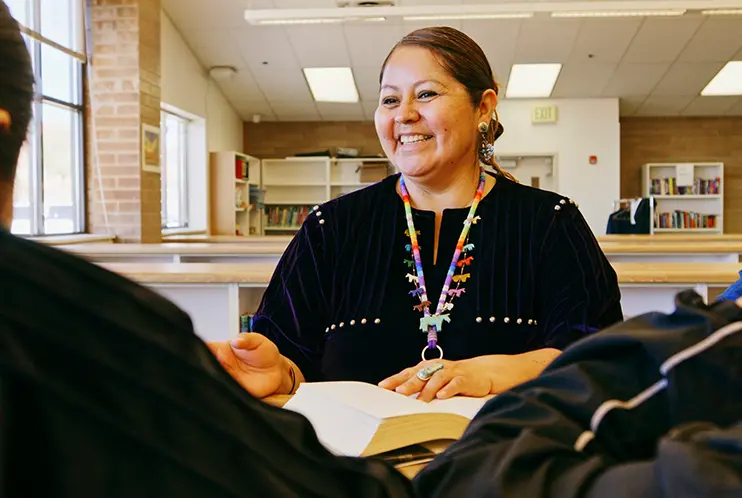

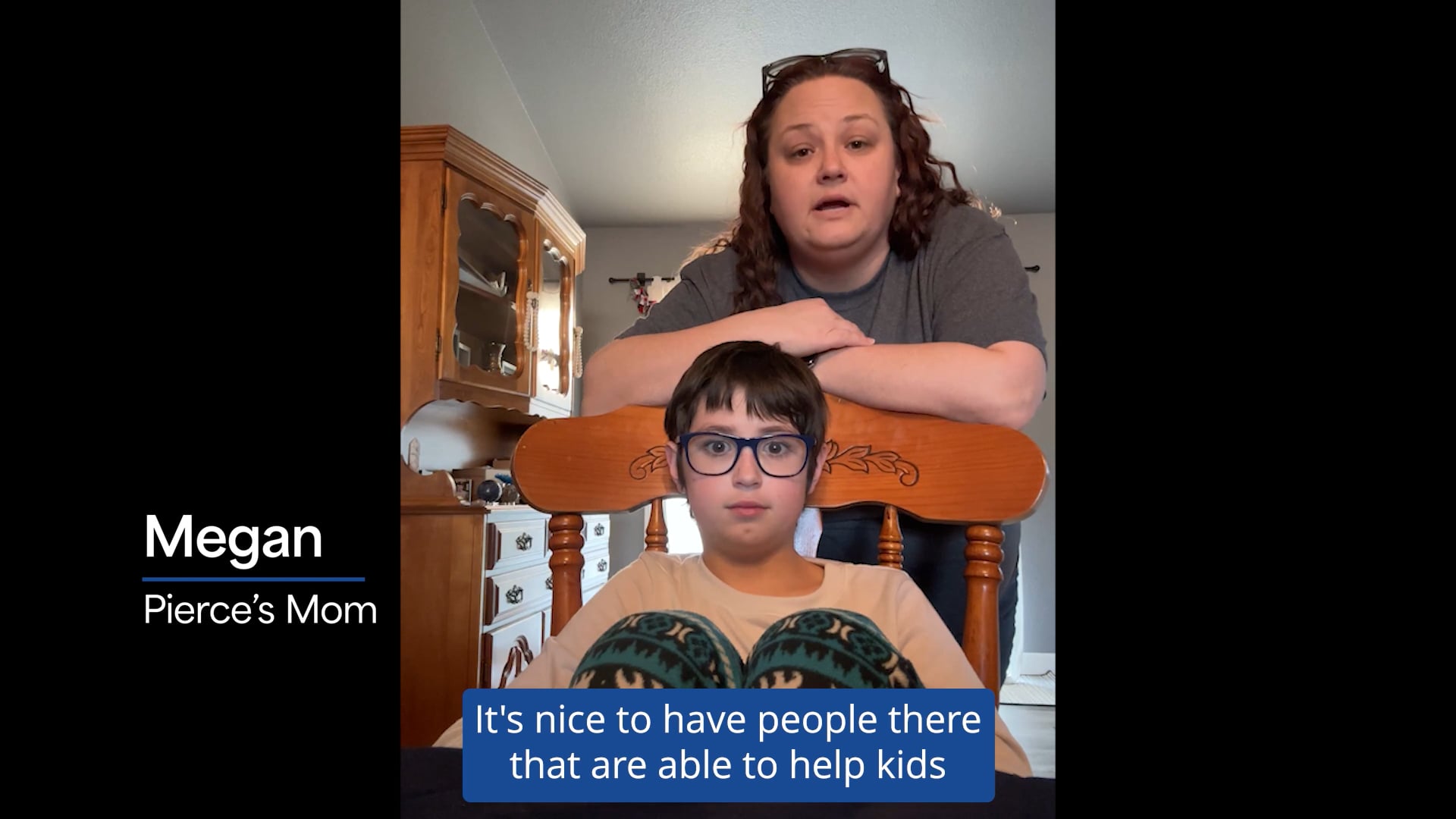
August 12, 2026 – Last year, middle schooler Eli A. was being bullied. One day during lunch, he met the Certified Wellness Coach on campus and asked if he could talk to her.
“A lot of the school goes and talks to her,” Eli told us. “Now there’s less bullies.”
That’s just one way that Wellness Coaches help the young people they serve. Coaches are another trusted adult on campus who listens to the students and can help parents have peace of mind that someone is dedicated to their child’s mental well-being.
Watch the full video to hear what other young people and parents are saying about Wellness Coaches.
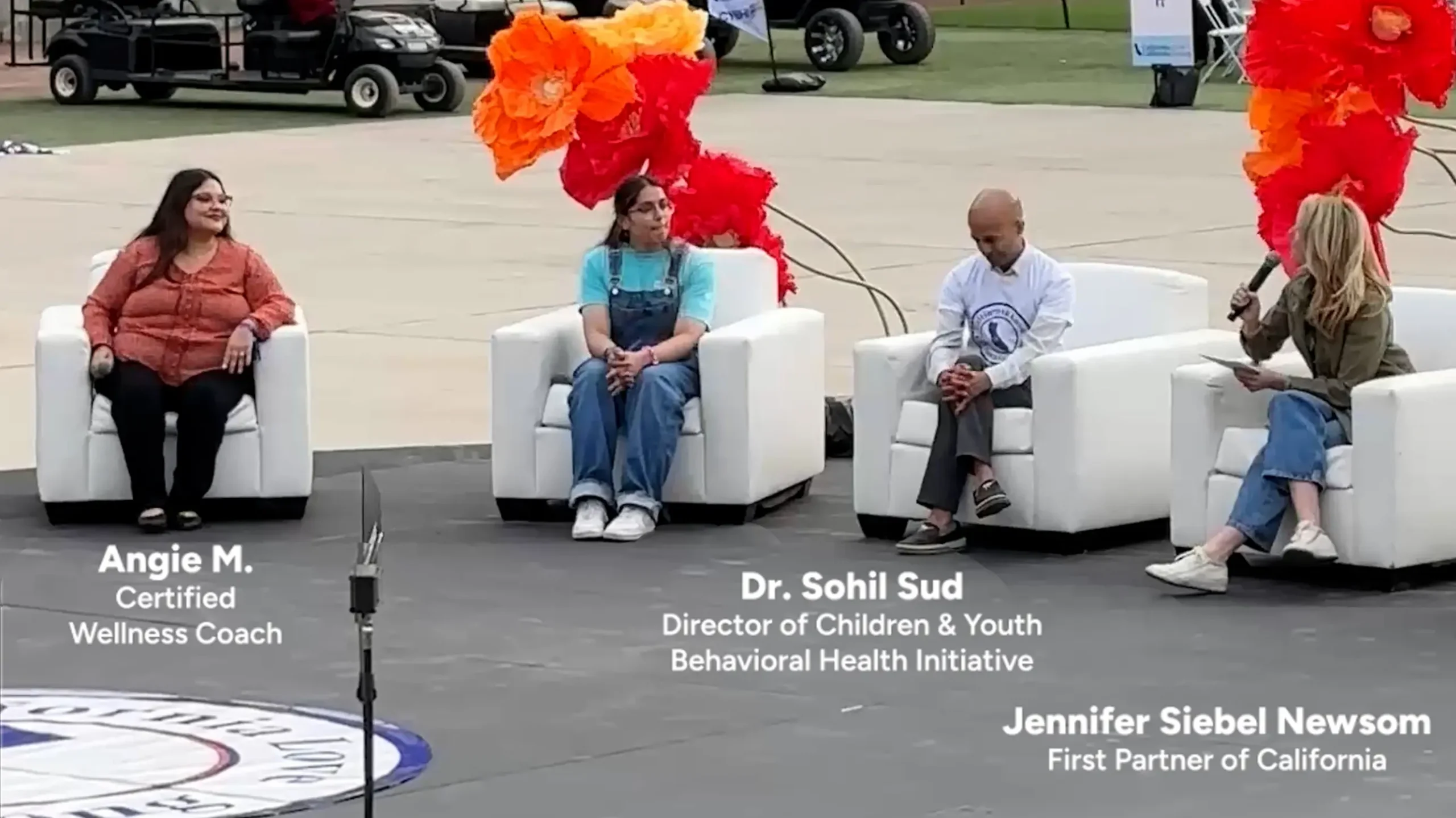
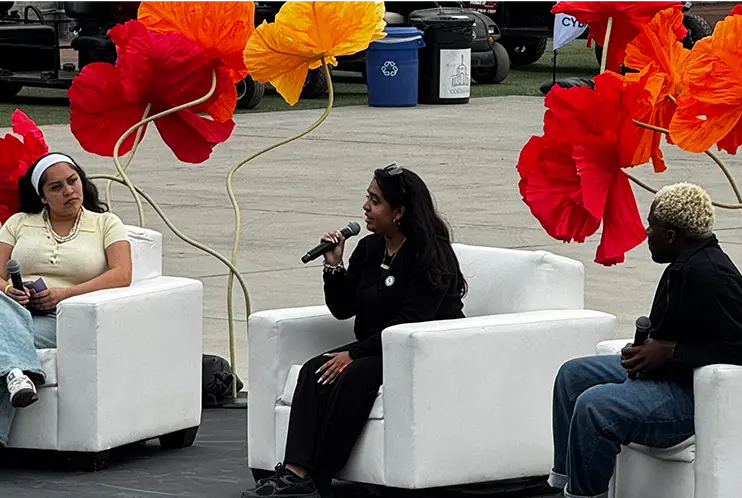
July 31, 2026 – The California Love, California Strong Foundation recently hosted an event at the historic Los Angeles Coliseum.
The Foundation centers belonging and connection across California through self-care, social connection, and service. Certified Wellness Coach Angie M. joined First Partner Jennifer Siebel Newsom and CYBHI Director Dr. Sohil Sud for a youth-centered panel on how behavioral health professionals are supporting mental health statewide.
“While we are increasingly connected through our digital world, too many young people are still facing loneliness, anxiety, and overall mental health struggles,” said the First Partner. “We all share a responsibility to normalize asking for help and show up for young people and families across the state.”
Ready to show up for young people? See if you’re eligible to get certified by clicking here.
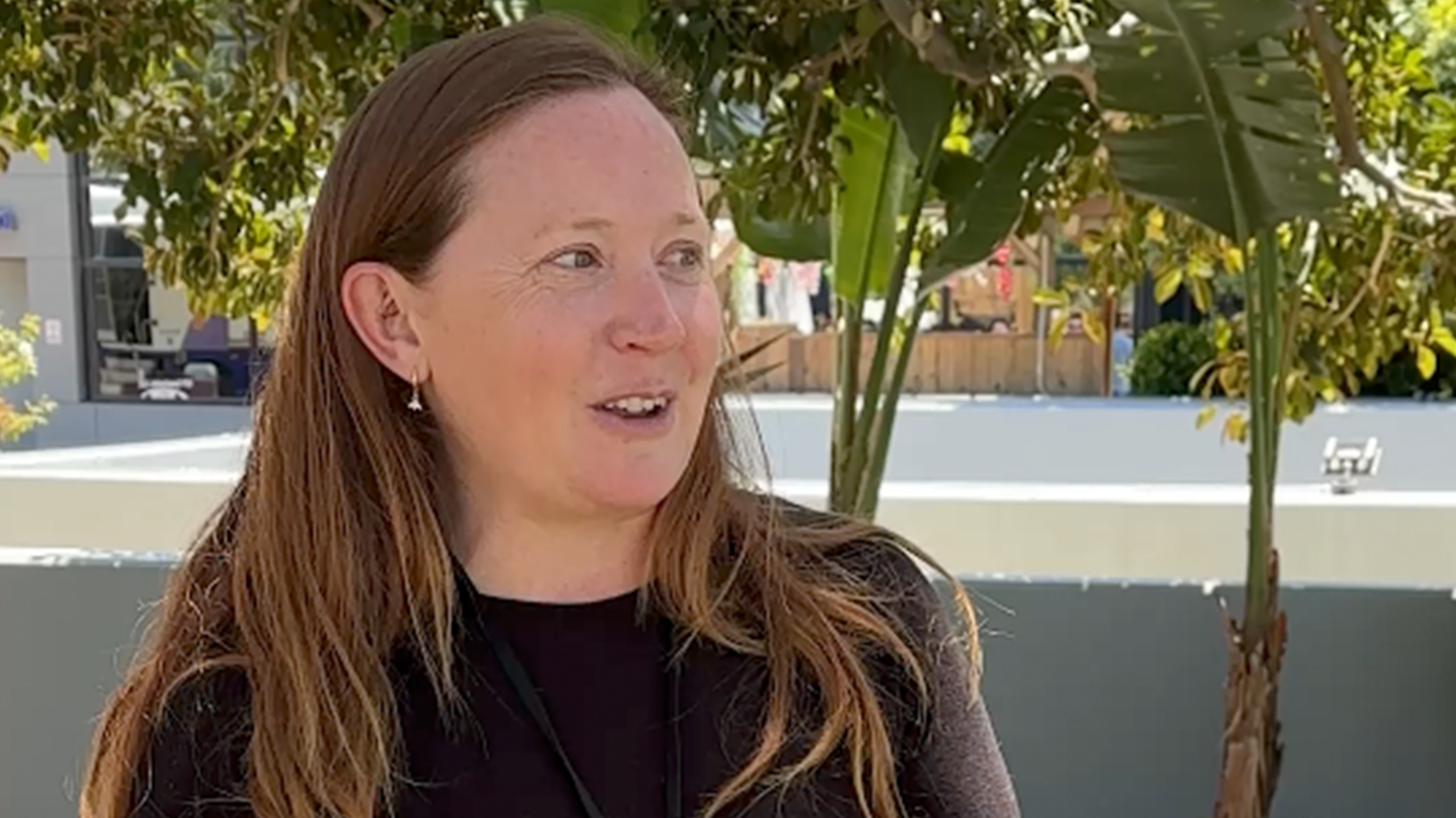
July 24, 2026 – At this year’s Power of Partnerships Conference in Los Angeles, we asked Certified Wellness Coaches and California School-based health workers a very important question: Youth today need more… what?
The answers may surprise you.
Looking for ways you can help support the youth in your community?
To learn more about hiring a Certified Wellness Coach, click here.
HCAI partners with California Community Colleges, California State Universities, and private nonprofit universities whose curricula meet all the requirements for a student to apply for a Wellness Coach certification upon graduation.
Stay up to date with the latest details about the program, timelines, and grant opportunities.
Stay up to date with the latest details about the program, timelines, and grant opportunities.
