Students Take Action on Mental Health
March 31, 2026 – On March 21, over 170 Bay Area teens joined together to participate in the University of California, San Francisco’s (UCSF’s) Science and Health Education Partnership (SEP) final Teen Wellness Summit.
The event was part of UCSF SEP’s Teen Wellness Connection (TWC) program. The summit agenda included keynote speakers, breakout sessions, a resource fair, and a closing celebration of student changemakers. The event created space for conversations about something that doesn’t get talked about enough: what it actually feels like to be a young person navigating mental health today.
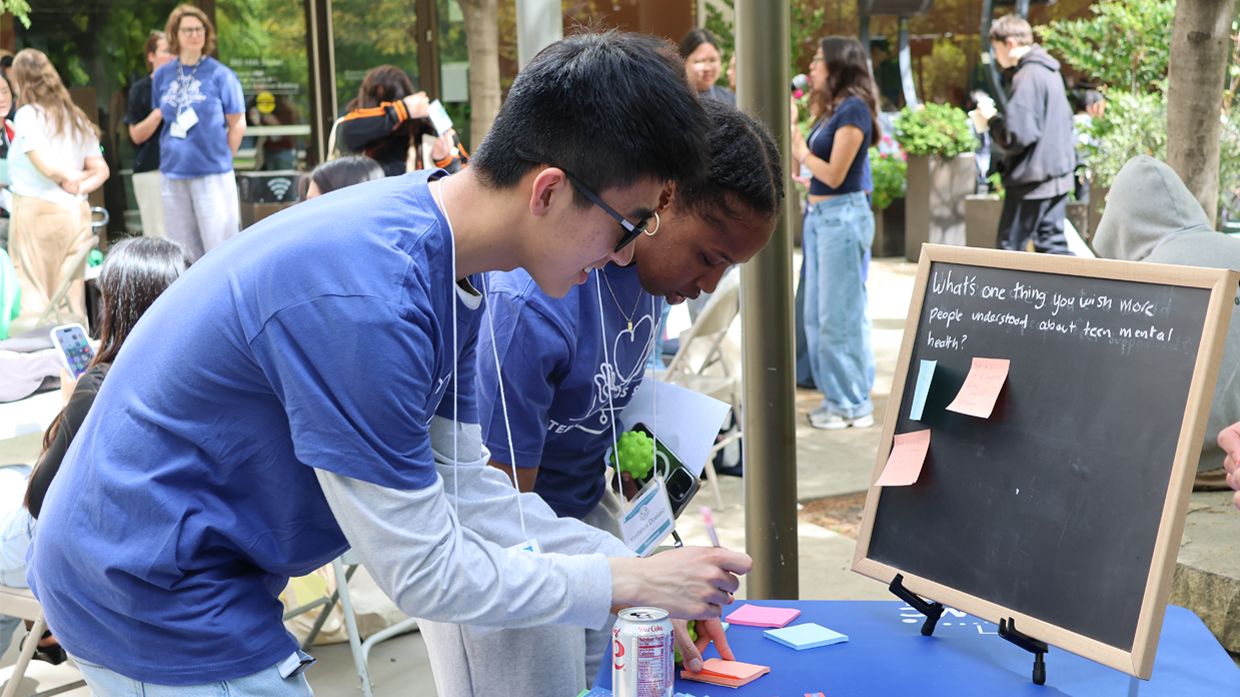
The Certified Wellness Coach (CWC) Community Engagement Team was there and participated in the summit’s resource fair. The CWC table created an opportunity for teens to learn about the program and what a future career in mental health could look like. Teens were invited to write anonymously what they wished more people understood about teen mental health. Their responses were honest and unfiltered.
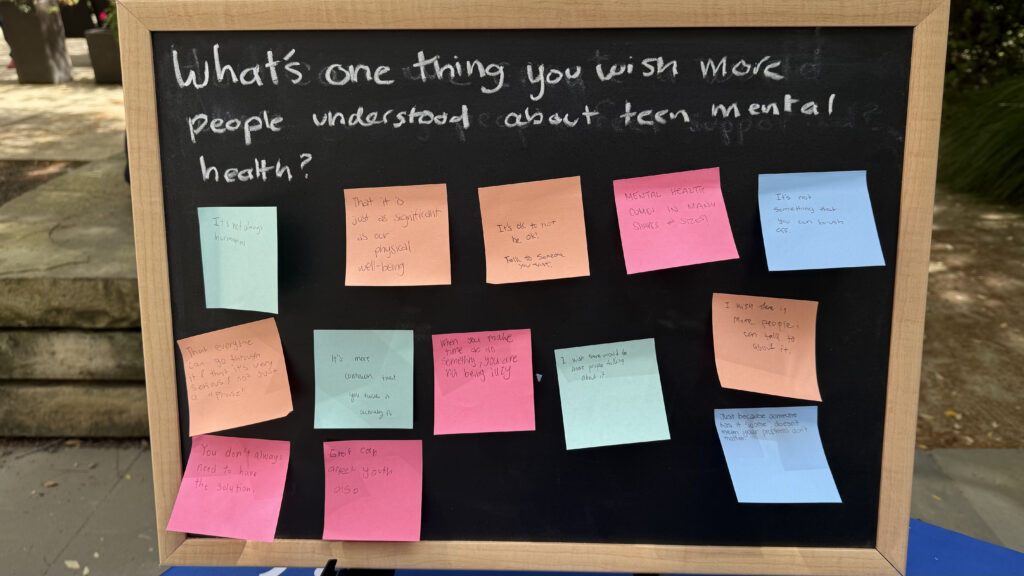
“It’s not just a ‘phase.'”
“Just because someone has it ‘worse’ doesn’t mean your problems don’t matter.”
“I wish there were more people talking about it.”
Rachel Harris, Academic Coordinator at UCSF SEP, spoke with the CWC Community Engagement Team and shared highlights of what she has learned over the past four years coordinating TWC. She shared that “the motivating thing is just knowing that this event is so exciting and energizing, but also that we’re changing the lives of the teens who are in our program and the lives of the 170 attendees who show up on this day.”
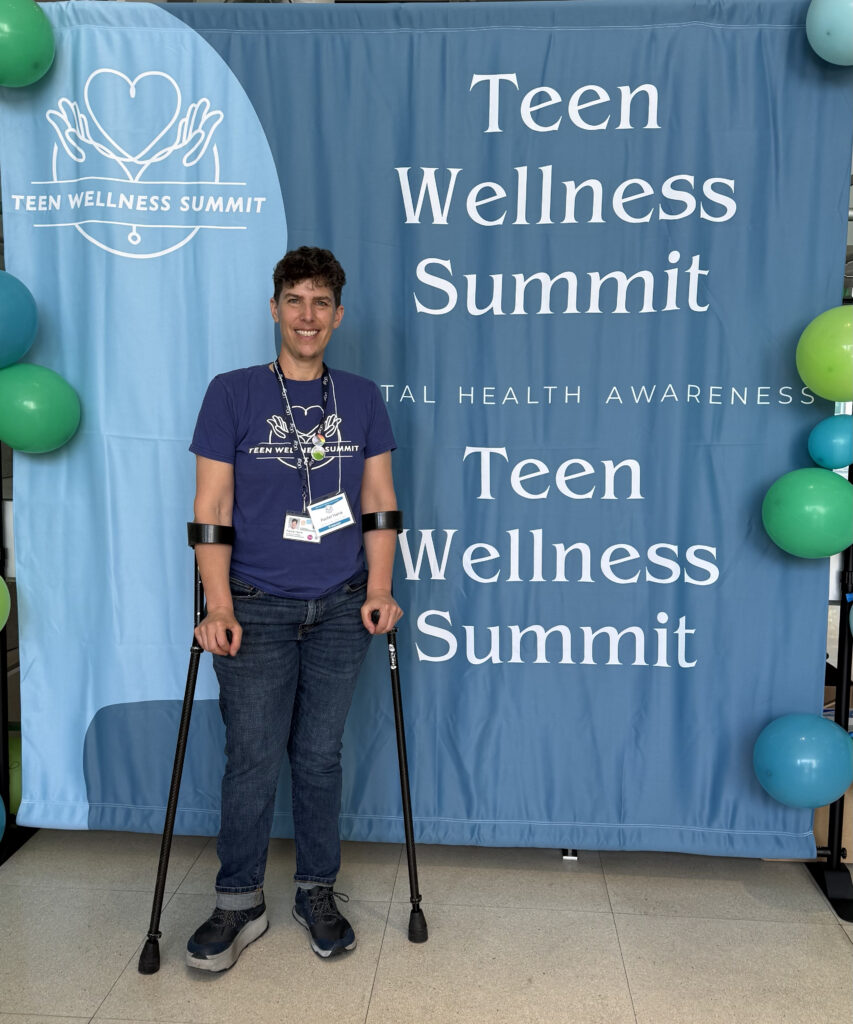
Year after year, that exchange runs in both directions. “Every year our presenters come back, they say they learned something new,” Rachel reflected. “It’s been a sharing experience, not just UCSF presenters giving information to teens, but also teens giving back to our presenters.”
This is a reminder that young people aren’t passive recipients of information about their own well-being. They have insights, experiences, and perspectives that are worth listening to. What they need is someone willing to have that two-way conversation — a trusted adult with the skills to actually show up for them, not just with a referral, but with presence, tools, and a genuine understanding of youth wellness.
That’s exactly what CWCs are trained to do. The students who showed up to this summit were passionate, informed, and already thinking about how to support the people around them. Today, they are advocates, providing a window into teen mental health. Tomorrow, they are the future of the behavioral health field.
If you care about youth mental health, consider becoming a CWC. The next generation isn’t waiting.
If you have an upcoming event our CWC Community Engagement Team could attend, please send us an invite and share event details at [email protected].