April News Roundup
From gambling addictions in youth to the recent Meta and Google social media harms trial, click through to read the April roundup of behavioral health news you can use.
From gambling addictions in youth to the recent Meta and Google social media harms trial, click through to read the April roundup of behavioral health news you can use.
A California jury found that Meta and Google were to blame for the depression and anxiety of a woman who compulsively used social media as a small child.
The decision represents the first time a jury has found that social media apps should be treated as defective products for being engineered to exploit the developing brains of kids and teenagers.
The verdict in Los Angeles came a day after a jury in a separate trial in New Mexico ordered Meta to pay $375 million in damages for failing to protect young users from child predators on Instagram and Facebook.

About half of 16-year-old boys said they had gambled in the past year, according to a recent report by Common Sense Media.
Gambling addiction, which disproportionately affects boys and men, is closely related to a higher risk of suicide and social isolation.
California lawmakers recently introduced the Protecting Kids from Online Gambling Act, which proposes to ban platforms from providing gambling and predictive market wagering to minors.
The legislation would also make it unlawful for platforms to advertise betting to minors.
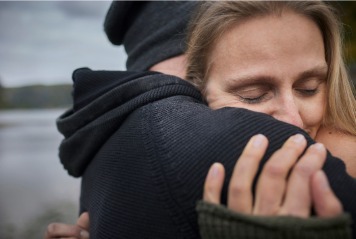
A group of family members, incarcerated youth, and advocates is fighting to overturn policies statewide that ban human touch during visits to juvenile detention facilities.
The group says regular hugs from parents are vital for rehabilitation and they lead to better mental health, less violent behavior and an increased ability to re-enter society.
Dubbed the Hug Act, Assembly Bill 1646 would allow all youth confined in county-run juvenile detention facilities the right to engage in “nonsexual physical contact” with visitors and require counties to draft policy accordingly.
Several studies have shown that touch deprivation in adolescents has negative impacts when teens miss out on hugs, such as increased drug use, lower academic performance, and higher rates of aggression.
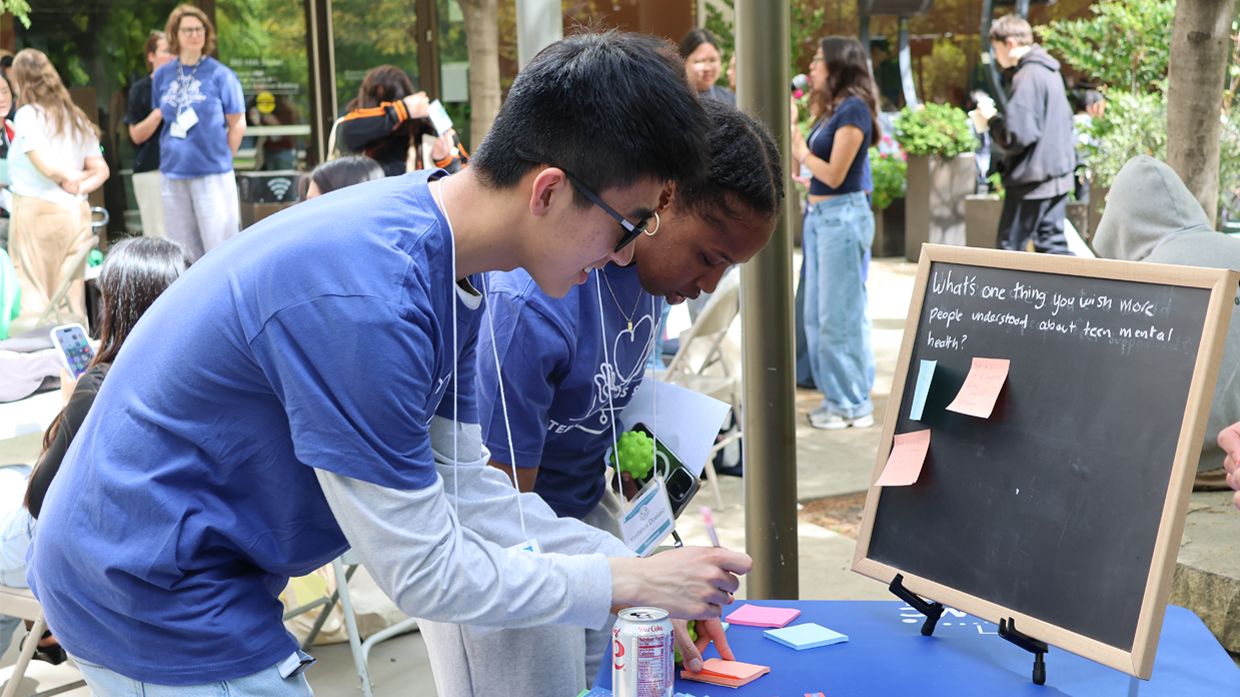
On March 21, over 170 Bay Area teens joined together to participate in the University of California, San Francisco’s (UCSF’s) Science and Health Education Partnership (SEP) final Teen Wellness Summit. The event was part of UCSF SEP’s Teen Wellness Connection (TWC) program. The summit agenda included keynote speakers, breakout sessions, a resource fair, and a closing celebration of student changemakers. The event created space for conversations about something that doesn’t get talked about enough: what it actually feels like to be a young person navigating mental health today.
The Certified Wellness Coach (CWC) Community Engagement Team was there and participated in the summit’s resource fair. The CWC table created an opportunity for teens to learn about the program and what a future career in mental health could look like. Teens were invited to write anonymously what they wished more people understood about teen mental health. Their responses were honest and unfiltered.
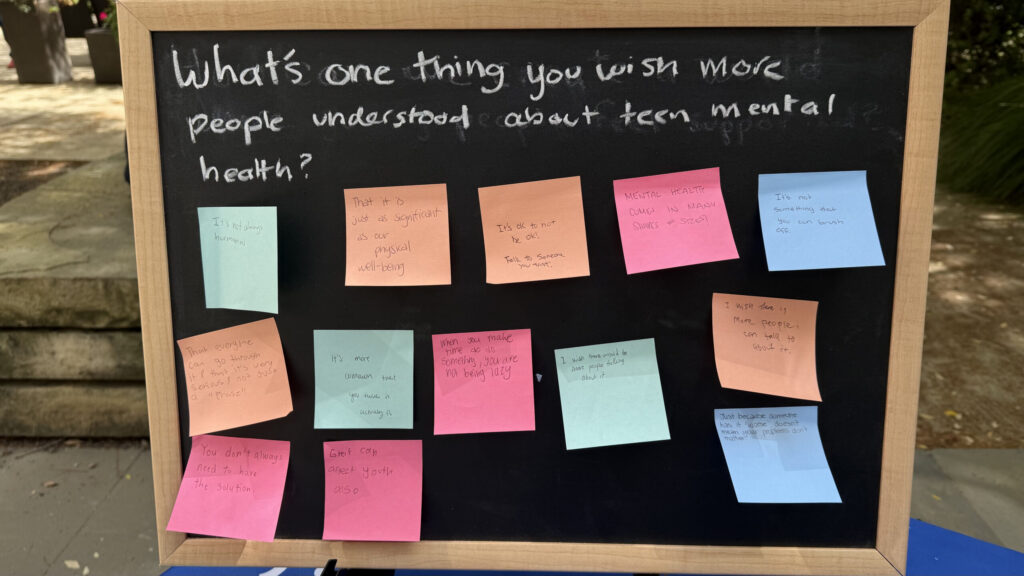
“It’s not just a ‘phase.'”
“Just because someone has it ‘worse’ doesn’t mean your problems don’t matter.”
“I wish there were more people talking about it.”
Rachel Harris, Academic Coordinator at UCSF SEP, spoke with the CWC Community Engagement Team and shared highlights of what she has learned over the past four years coordinating TWC. She shared that “the motivating thing is just knowing that this event is so exciting and energizing, but also that we’re changing the lives of the teens who are in our program and the lives of the 170 attendees who show up on this day.”
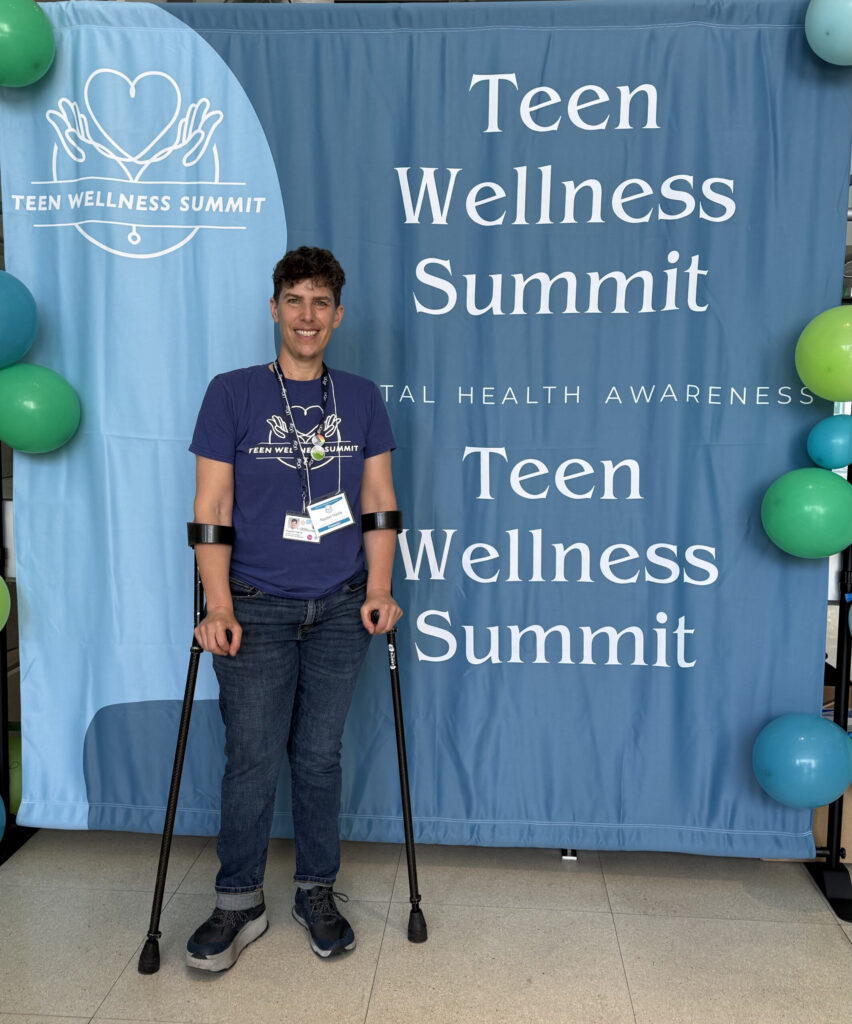
Year after year, that exchange runs in both directions. “Every year our presenters come back, they say they learned something new,” Rachel reflected. “It’s been a sharing experience, not just UCSF presenters giving information to teens, but also teens giving back to our presenters.”
This is a reminder that young people aren’t passive recipients of information about their own well-being. They have insights, experiences, and perspectives that are worth listening to. What they need is someone willing to have that two-way conversation — a trusted adult with the skills to actually show up for them, not just with a referral, but with presence, tools, and a genuine understanding of youth wellness.
That’s exactly what CWCs are trained to do. The students who showed up to this summit were passionate, informed, and already thinking about how to support the people around them. Today, they are advocates, providing a window into teen mental health. Tomorrow, they are the future of the behavioral health field.
If you care about youth mental health, consider becoming a CWC. The next generation isn’t waiting.
If you have an upcoming event our CWC Community Engagement Team could attend, please send us an invite and share event details at [email protected].

Two years ago, California made a bold investment in the mental health and wellness of children and youth. The Certified Wellness Coach profession was born.
Today, there are over 4,000 Wellness Coaches in the state, working at over 745 sites and serving hundreds of communities. 600 scholarships have gone to future Wellness Coaches, and $127 million has been awarded in school and employer grants to help grow their Wellness Coach workforce.
Over 176,000 students in our state are already receiving support from Wellness Coaches, meeting youth where they are. And we are just getting started. Thank you to everyone who has been a part of this important work. Onward!
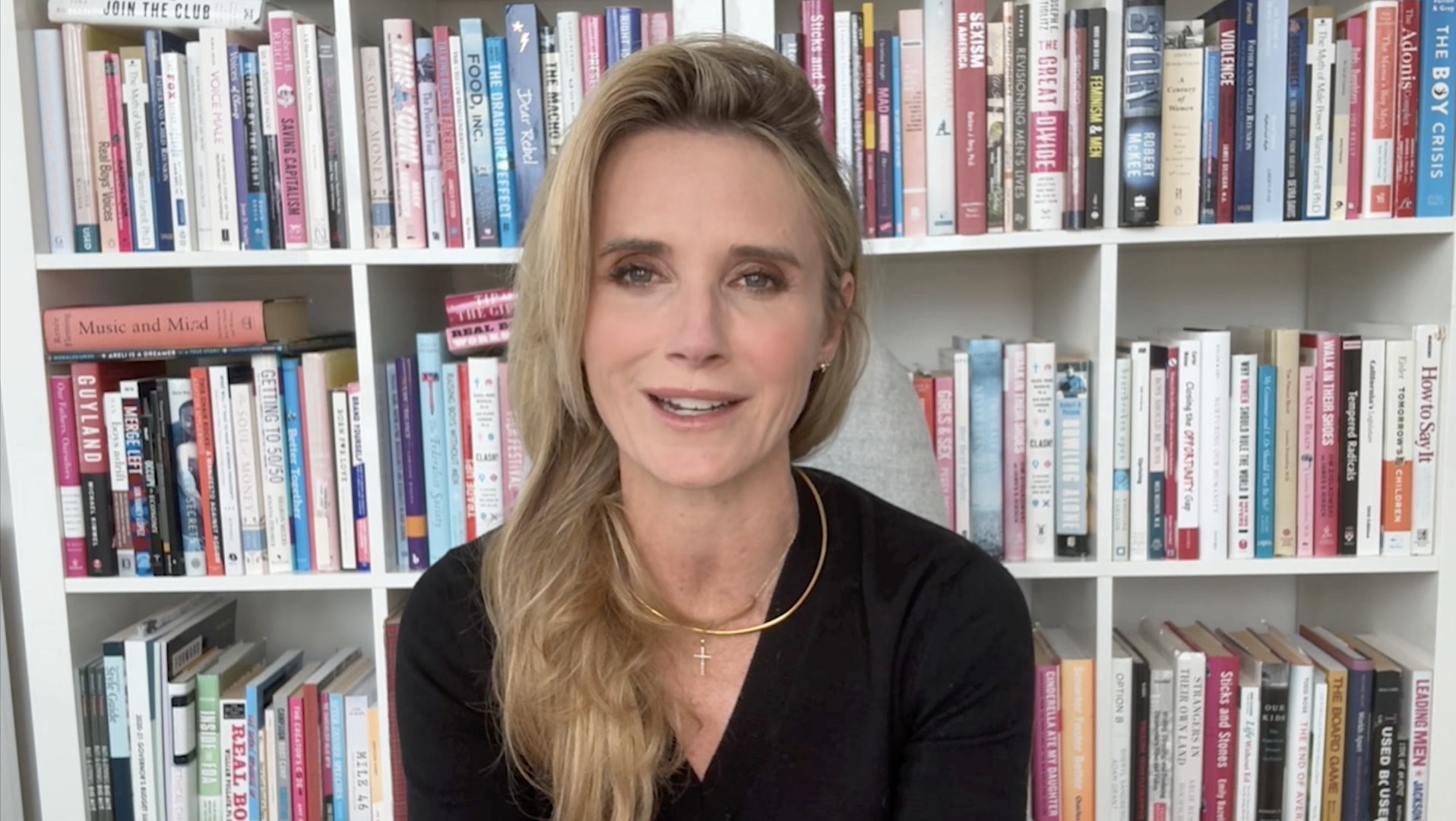
On February 19, 2026, mother of four and First Partner Jennifer Siebel Newsom spoke to Certified Wellness Coaches in honor of a huge milestone: our 2-year anniversary!
“So, for me, as a mom of four, protecting our kids’ well-being is the most important thing in my life. And at the end of the day, if we’re going to raise a generation of children who are healthy in mind, body, and spirit, we have to ensure that the world around them supports that. So to the Certified Wellness Coaches, thank you so much. Your work matters more than you know.”
Watch her full message to all Certified Wellness Coaches in the video, and if you’re curious about becoming or hiring a Certified Wellness Coach, click here to find your path!
HCAI partners with California Community Colleges, California State Universities, and private nonprofit universities whose curricula meet all the requirements for a student to apply for a Wellness Coach certification upon graduation.
Stay up to date with the latest details about the program, timelines, and grant opportunities.
Stay up to date with the latest details about the program, timelines, and grant opportunities.
