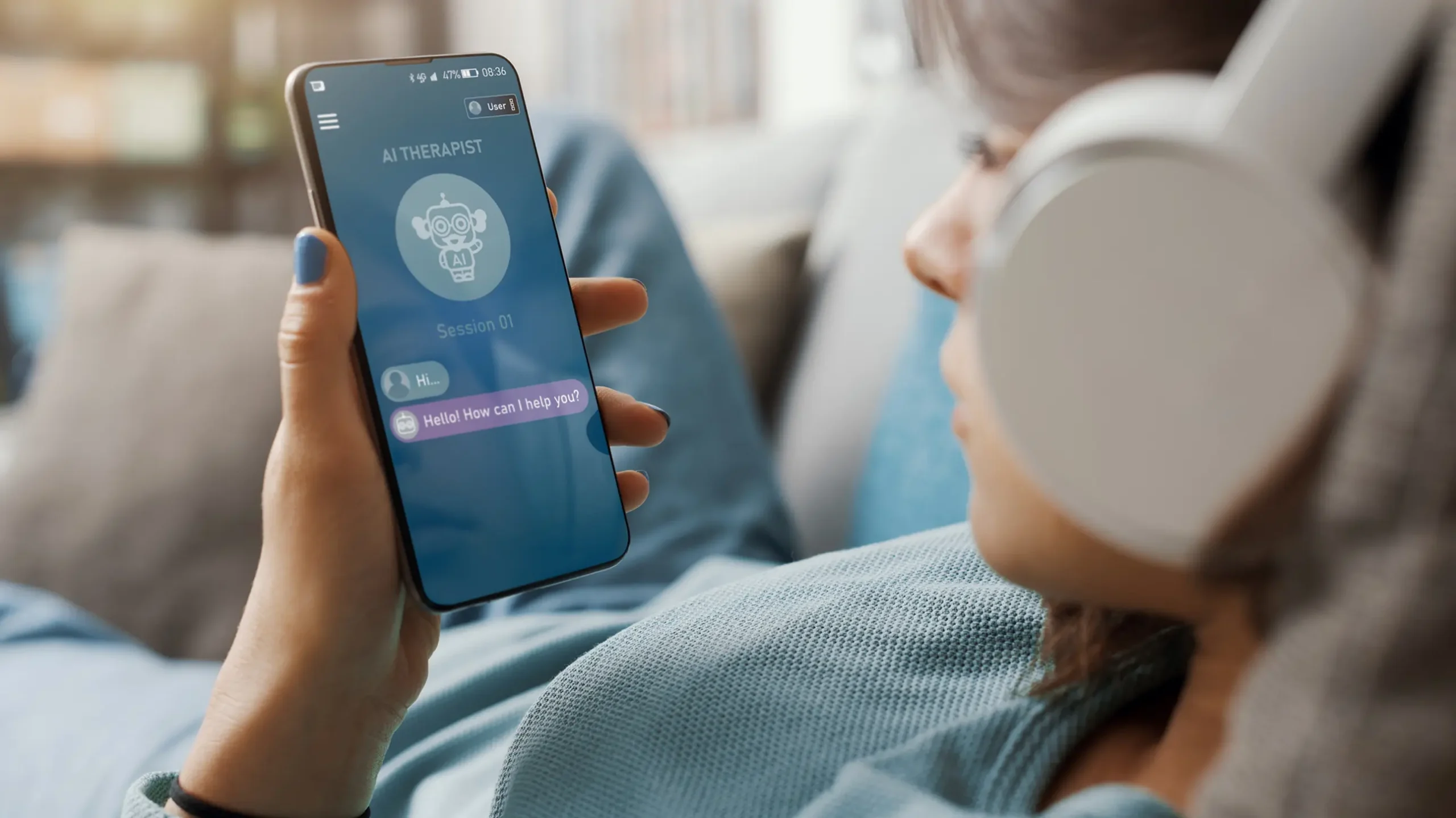
From one family’s fight to save their 20-year-old son from an online gambling addiction, to schools in at least 19 states turning to AI chatbots to fill gaps left by counselor shortages, your October 2026 CWC News Roundup is here.
News For Certified Wellness Coaches
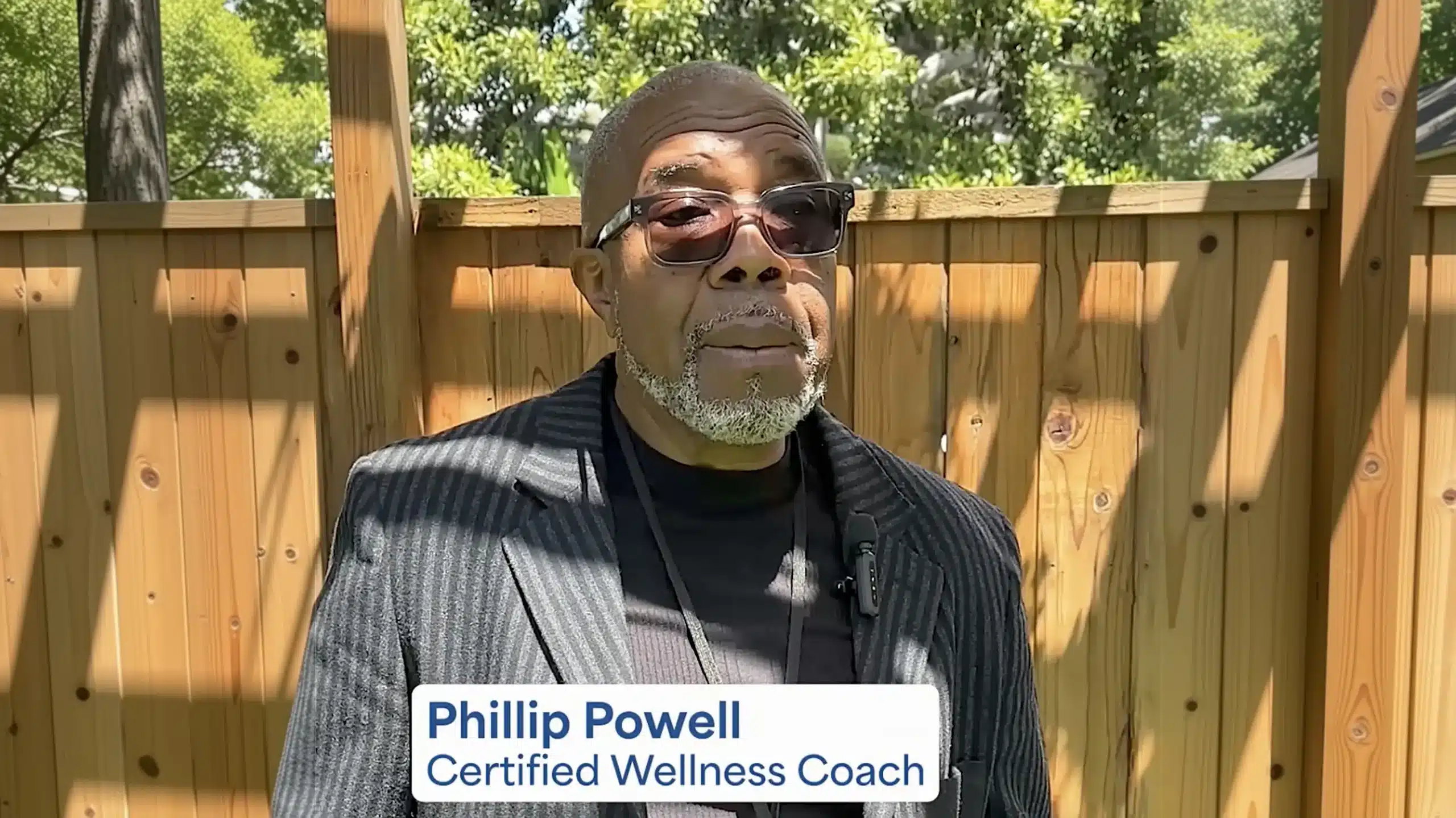
What One CWC Sees for Schools in the Next 5 Years
What if every school had an additional trusted adult who could give students even more of a voice?
That’s a future Philip Powell, Certified Wellness Coach (CWC), envisions.
October 23, 2026 – At this year’s Power of Partnerships conference, the CWC Street Team had a chance to interview Licensed Clinical Supervisors and Wellness Coaches alike. We asked them about what youth today need and what their vision for the future looks like when it comes to behavioral health support in schools.
Key takeaway from Phillip’s interview: when students are heard, we can help address challenges before they become something bigger.
Interested in learning more? Click here to find your path to becoming a CWC. Just pick your starting point on the map to see the road forward.
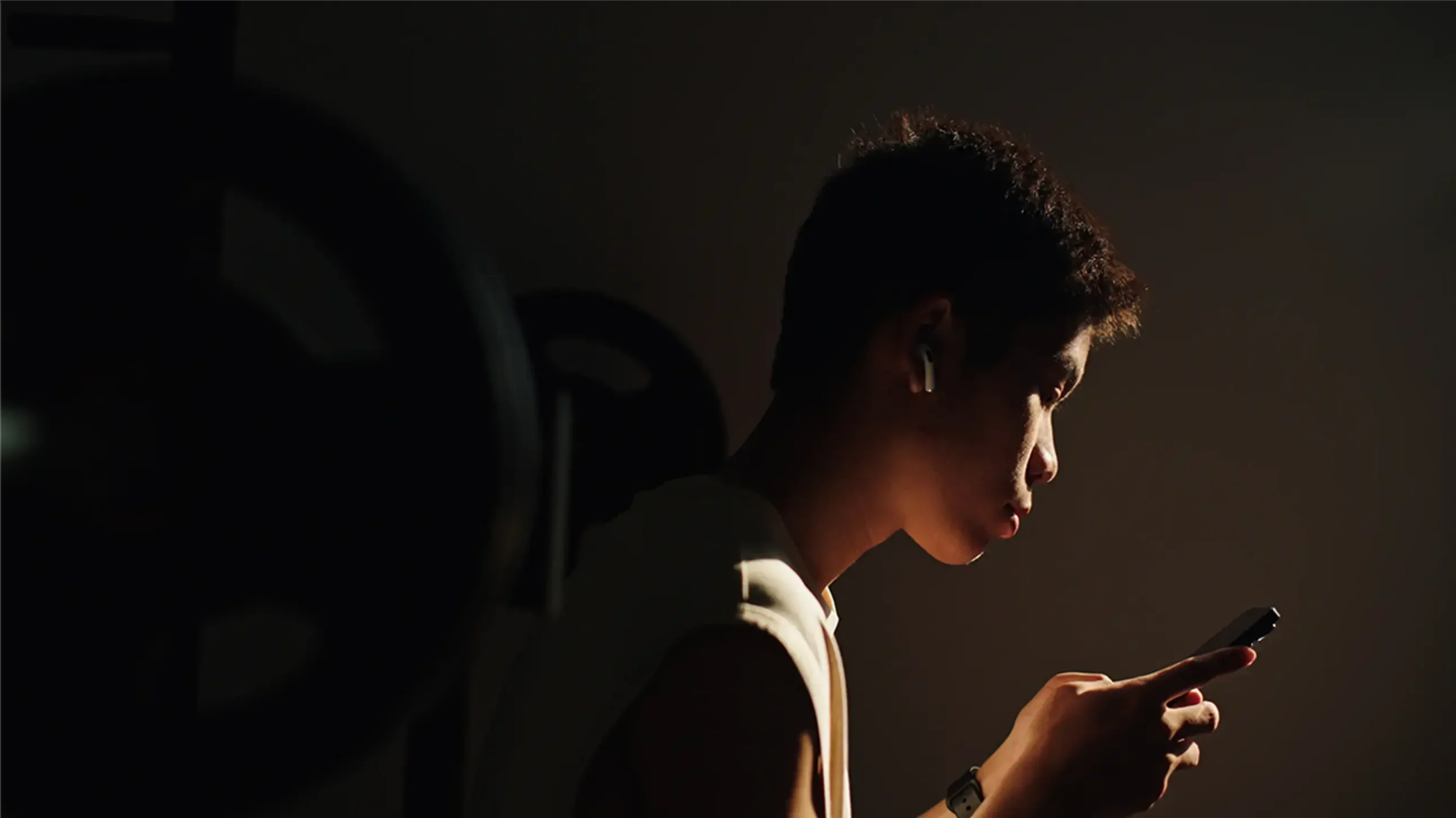
Kids in the AI Era Still Need Human Connection
October 13, 2026 – Who or what should a child or young adult turn to when they are experiencing sadness, depression, or a conflict that is causing anxiety?
That’s a question many are pondering across the country as states face increasing challenges with behavioral health care workforce shortages. A recent EdSource article revealed that more than 200 schools and school districts across at least 19 states have deployed an artificial intelligence chatbot to fill coverage gaps in mental health services for students. The chatbot talks to students about their daily challenges and flags school counselors when students are in crisis.
Some people might say that kids and young adults grew up in a digital era, so turning to an AI platform for guidance or support comes naturally to them. In fact, nearly 1 in 5 adolescents and young adults ages 12 to 21 reported using AI chatbots for mental health advice, according to a June 2026 JAMA Pediatrics study. Of those who had turned to a chatbot, 63.3% said they had told no one.
But what about human connection? Can an AI chatbot notice when a student who normally says hello suddenly won’t make eye contact? What about hearing hesitation or emotion in a student’s voice?
Research underscores the importance of that human connection. In a nationally representative CDC survey, 22% of high school students who felt strongly connected to others at school reported poor mental health during the previous 30 days, compared with 40.1% of students who did not feel connected. The CDC defines school connectedness, in part, as students’ belief that adults at school care about them as individuals.
In California, nearly half of adolescents struggle with mental health challenges, according to a 2021 UCLA Center for Health Policy Research study. In 2024, California’s Department of Health Care Access and Information (HCAI) introduced a new support role in California aimed at helping children and youth through age 25 who are experiencing behavioral health challenges.
The Certified Wellness Coach (CWC) profession is part of Governor Gavin Newsom’s Master Plan for Kids’ Mental Health.
Today, there are more than 5,200 Certified Wellness Coaches across the state spanning both urban and rural settings, providing non-clinical services including wellness promotion and education, screening support, care coordination, individual and group support, and crisis referral support.
Wellness Coaches can help strengthen connection by becoming a consistent, trusted presence in a young person’s life. They can notice changes over time, listen without judgment and connect students with additional support when needed. They are passionate about supporting youth and equipping them with the tools and skills they need to navigate their mental and behavioral health.
It’s important to emphasize that the CWC role is meant to be a valuable member of the care team. They are not meant to replace any current positions, but to provide support and even relieve pressure on other senior professionals to focus on high-need cases. CWCs are also supervised by Pupil Personnel Services (PPS) credentialed staff and consult with the school’s clinical staff if a student needs a higher level of support.
AI tools are here to stay, and carefully vetted platforms with appropriate safeguards may provide valuable support. But technology cannot replace the trust that develops when a young person sees the same caring adult over time. Certified Wellness Coaches can help create that connection, giving young people someone to turn to before a difficult situation becomes a crisis.
September News Roundup
September 24, 2026 – From the recent teen thrifting trend to Meta’s child safety trial settlement, your September News Roundup is here.
Teen Suicidal Ideation Rates Drop
September 22, 2026 – Trigger Warning.
In the 2022 California Healthy Kids Survey, 17% of high school teens had thought about taking their own life. In 2025, the percentage dropped to 9%.
From 17% to 9% in just 3 years.
That’s the percentage of California high school teens reporting thoughts of taking their own lives dropping to the lowest number in the history of the California Healthy Kids Survey.
The difference?
According to CYBHI Director Dr. Sohil Sud, Certified Wellness Coaches are a big factor.
Sometimes, having the supportive conversations can make the biggest impact.
If you or someone you know is experiencing a mental health crisis, call or text 988. You can also chat with the Suicide & Crisis Lifeline at 988lifeline.org.
#CWC #SuicidePreventionMonth #MentalHealth

5 Back to School Tips to Reduce Stress and Anxiety
September 18, 2026 – Back-to-school season can be overwhelming—for students, parents, and teachers alike.
That’s why Certified Wellness Coaches are stepping up with tools and strategies to help youth stay balanced and resilient.
Watch the full video for 5 tips for a healthy school year.
Click here to learn more about the latest HCAI-Designated Education programs for aspiring Certified Wellness Coaches.

Certified Wellness Coach Shares Her Experience Supporting Students
September 16, 2026 – Certified Wellness Coaches work with children and youth in schools and communities. Robin Pence from Novato, California, shares her experience as a Wellness Coach.
“The nice thing about being a Wellness Coach is that I can kind of fill in the gaps where there’s the teacher and the staff member, and then the counselor… that space between. When I work with students, I teach them strategies for how to regulate themselves.”
Watch the video to hear how Robin works with students day to day, and why she understands their struggles.
Looking for a career where you can help kids learn how to cope? Learn more about becoming a Certified Wellness Coach by clicking this link.
Join us at Wellness Together
September 3, 2026 – The 10th Annual Wellness Together conference returns to San Diego, California on September 9–11.
Wellness Together, in partnership with the California Department of Education, is the largest international student mental health advocacy conference. Each year policymakers, school and district leaders, and mental health professionals connect, equip, and inspire the best minds in education and mental health for meaningful impact.
The Certified Wellness Coach (CWC) street team will be on the ground and armed with swag, brochures and answers to your frequently asked questions! In addition to returning for the third year in a row (stop by booth 116 and say hello), there will be two CWC breakout sessions on Friday, September 11. Click on either of the sessions below to visit the official conference website for more information. We’re excited to see you there!
Friday September 11, 2026 9:15–10:15 am PDT, 32 A-B
Learn about the latest updates and impacts of California’s new Certified Wellness Coach (CWC) profession from the Department of Health Care Access and Information (HCAI), a workforce helping schools expand prevention and early intervention support for children and youth.
In this informational session, HCAI will share recent developments, early outcomes, and hear insights from a local employer who has integrated CWCs into their system to strengthen school-based care teams and promote the overall health and well-being of children and youth.
Beyond the Degree: Navigating Your Path as a California Certified Wellness Coach (CWC)
Friday September 11, 2026 9:15–10:15 am PDT, 33 B
The California Department of Health Care Access and Information (HCAI) created the Certified Wellness Coach (CWC) role specifically to bridge this chasm. It is a free, non-clinical certification for people with Associate (CWC I) or Bachelor’s (CWC II) degrees. It validates your lived experience and field hours, allowing you to get paid to deliver critical preventive care (wellness promotion, screenings, and group support) under supportive supervision.
A clear, step-by-step framework showing students how to leverage their current classes and practicum hours, navigate the “Registered” status, and step directly into a thriving career in schools or community clinics.
Growing California’s Behavioral Health Workforce
August 21, 2026 – California is changing how children and young people get behavioral health support across the state, and Certified Wellness Coaches are part of that shift.
Through the Children and Youth Behavioral Health Initiative, the state has invested more than $4 billion to expand access to behavioral health care, strengthen support in schools and communities, and grow the workforce serving young people.
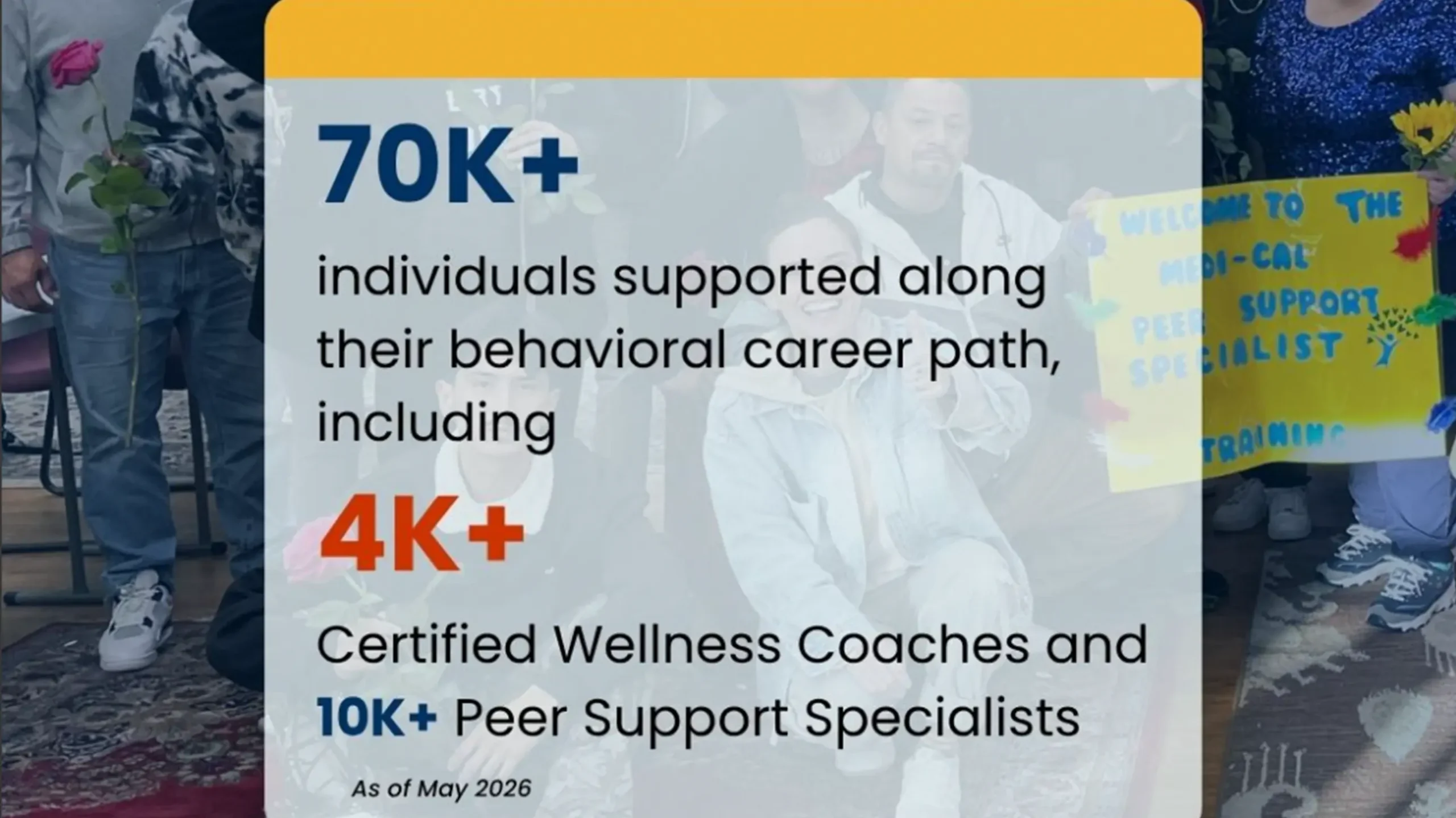
And that workforce is growing. More than 70,000 people have been supported along behavioral health workforce pathways, including close to 5,000 Certified Wellness Coaches. And the workforce is growing!
The initiative is reaching young people in other ways, too. Digital behavioral health services have supported more than 500,000 children, youth, and families across all 58 California counties.
Want to see the bigger picture?
The CYBHI Legacy Report: Advancing Behavioral Health — From Moment to Movement takes a closer look at what California has built so far, including new pathways to care, youth-designed tools, expanded services, and a growing behavioral health workforce.
See how Certified Wellness Coaches fit into California’s broader effort to support young people and where that work is headed next.
Certified Wellness Coaches Share Their Experience
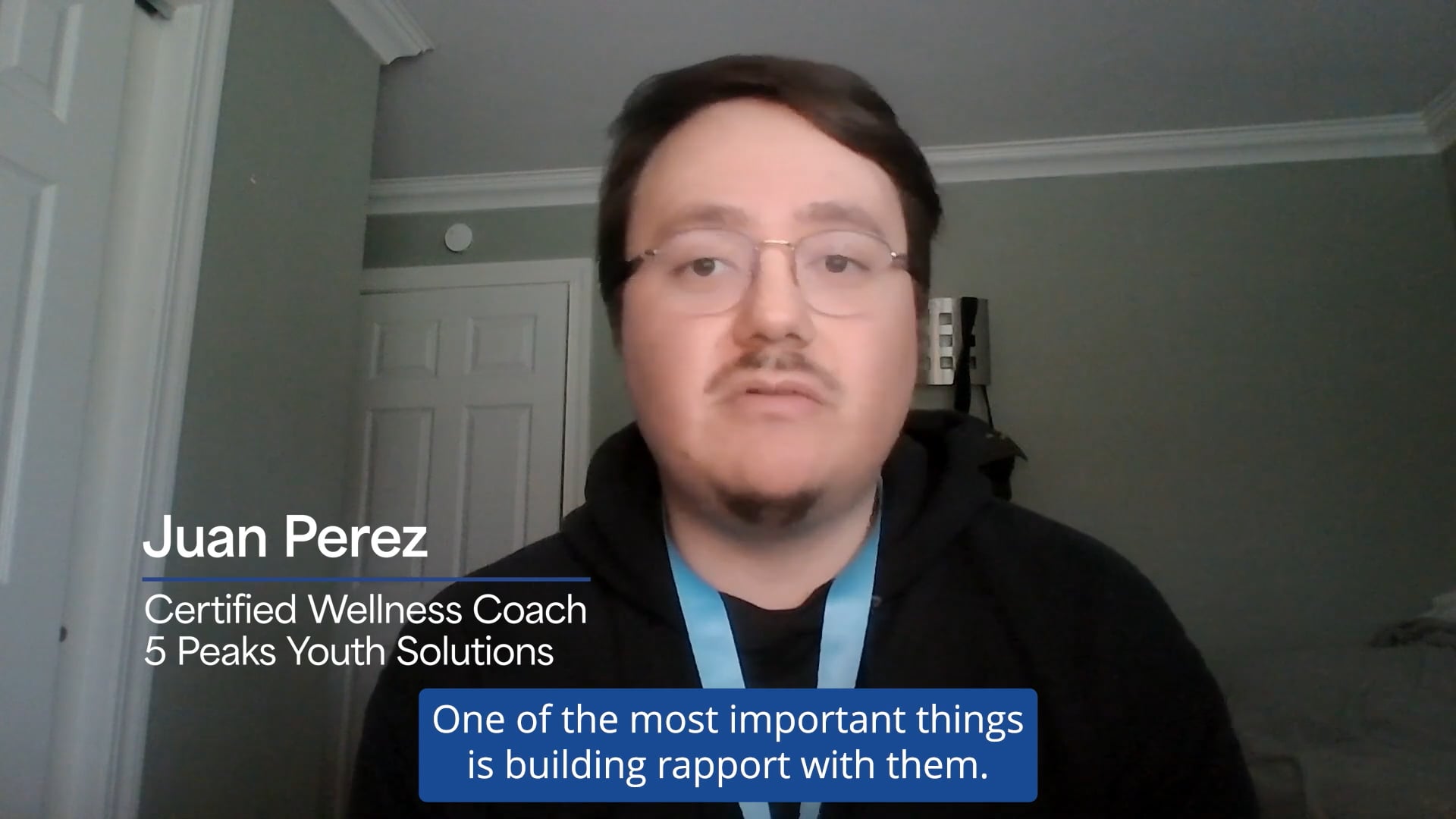
August 18, 2026 – “We really sometimes just need someone to listen, and a Certified Wellness Coach is that person.”
“I have found that the most important thing you can do is remind somebody of who they are.”
“I’m grateful that there is recognition that this is needed. It’s very rewarding work.”
These are just a few things Certified Wellness Coaches are saying about joining California’s newest behavioral health profession. As we reflect on the first two years of the program, it’s inspiring to hear boots-on-the-ground experiences from Wellness Coaches about the young lives that they impact every single day.
Thank you to all the Wellness Coaches who shared their stories for this video, and for the important work that you do!
Stay
Updated
HCAI partners with California Community Colleges, California State Universities, and private nonprofit universities whose curricula meet all the requirements for a student to apply for a Wellness Coach certification upon graduation.
Stay up to date with the latest details about the program, timelines, and grant opportunities.
Stay
Updated
Stay up to date with the latest details about the program, timelines, and grant opportunities.
