June 16, 2026 – From the “California Love, California Strong” initiative to foster youth crisis care legislation, your June News Roundup is here!
Darrell Ezell: From L.A.’s Streets to Certified Wellness Coach
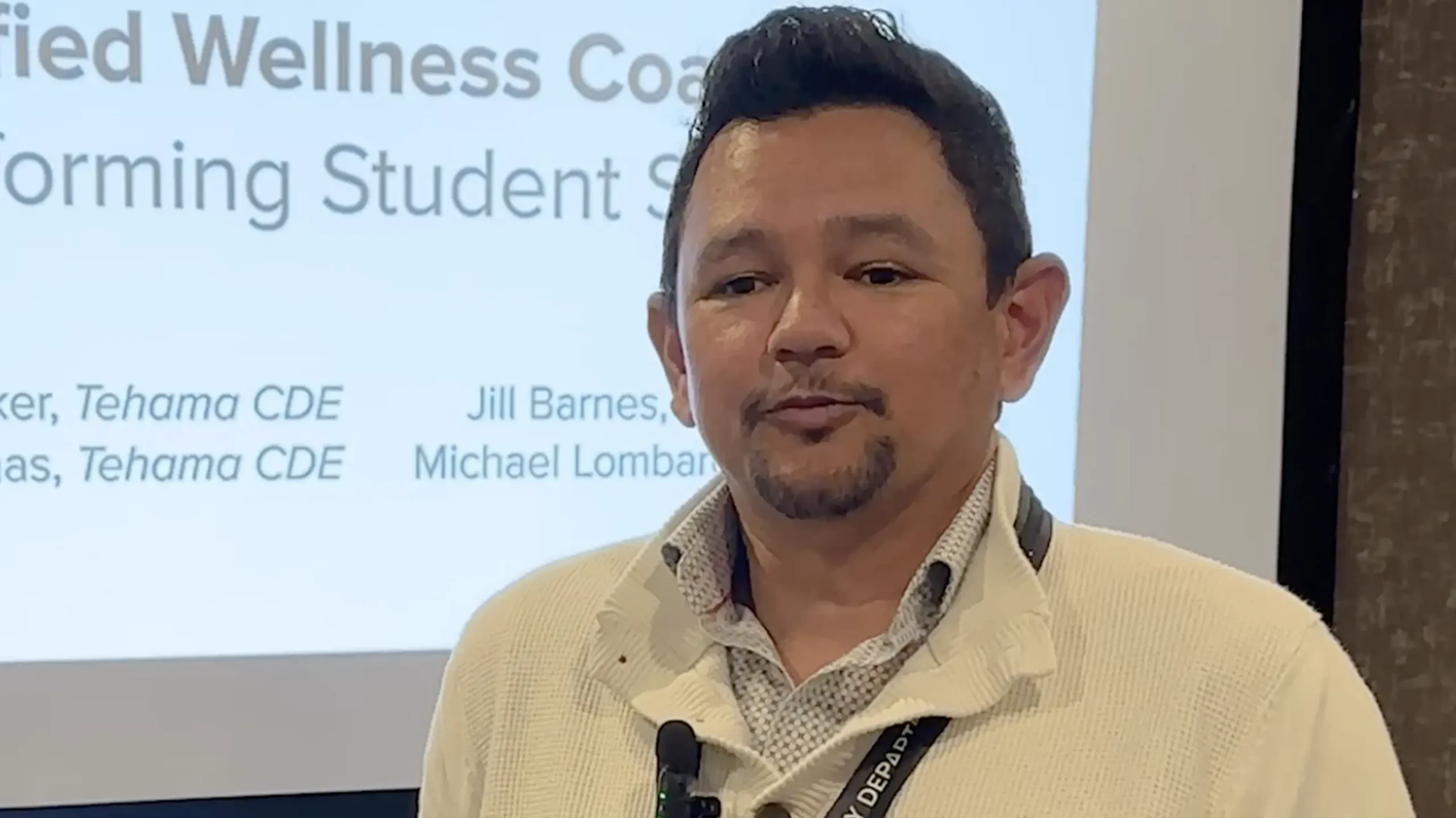
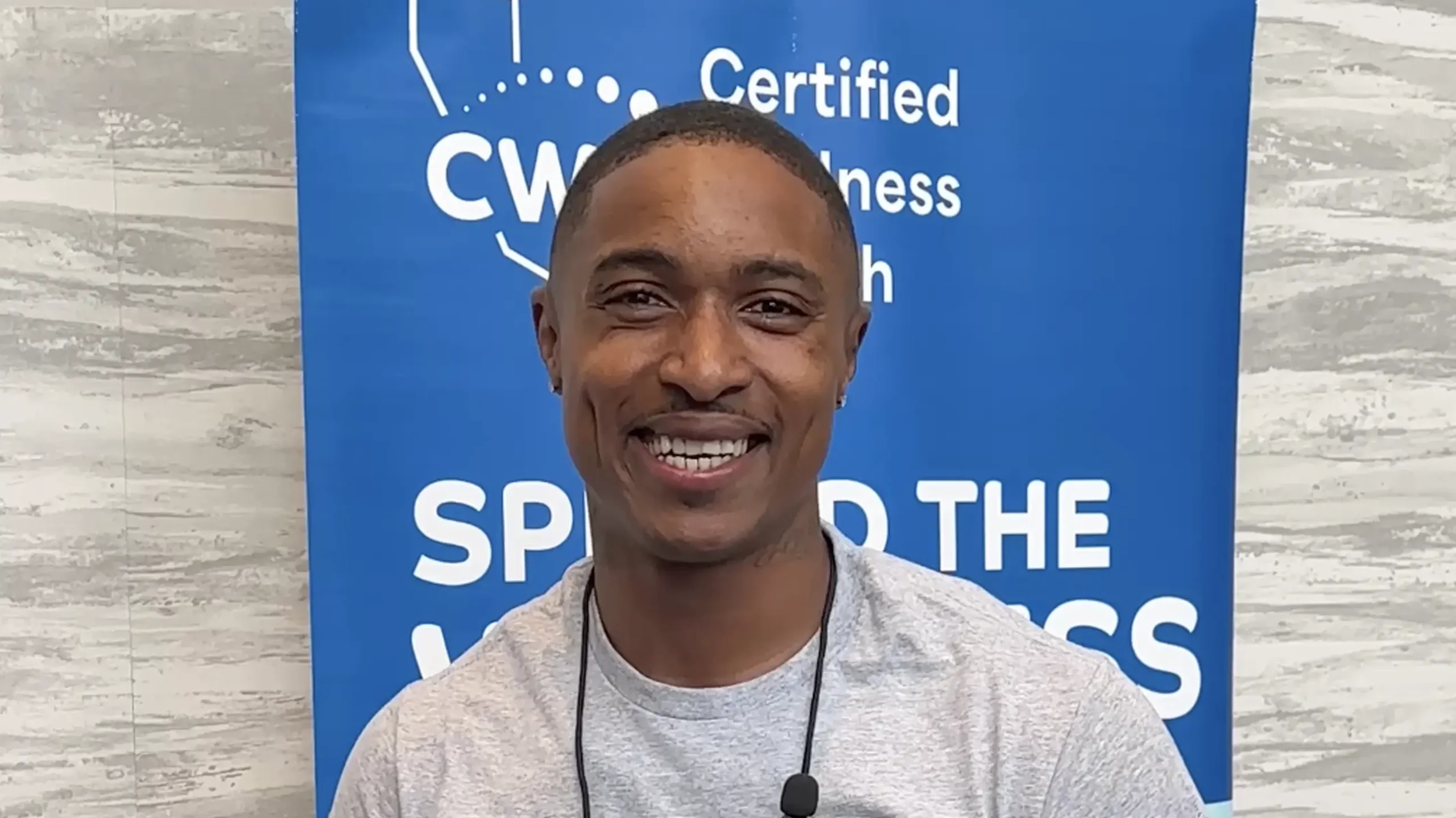
June 12, 2026 – Darrell Ezell spent 12 years living in what he describes as a “vicious cycle.”
After dropping out of high school at 16, he struggled with feelings of anger, frustration, abandonment, and sadness. Living on the streets of Los Angeles’ Skid Row, he turned to alcohol and drugs to cope, eventually landing in jail.
“I was mentally, spiritually, physically and emotionally exhausted, but I refused to accept help,” Darrell said. “I had a lot of trust issues, and it took five times until I finally decided to accept the help I so badly needed.”
After completing a court-mandated drug treatment program, Darrell found a new purpose: helping others facing similar behavioral health challenges.
“I want to be the voice for the voiceless,” he said. “As someone with lived experience, I’m able to better connect with individuals who have experienced homelessness and substance abuse.”
Darrell attends California State University, Dominguez Hills (CSUDH), taking courses at the College of Health, Human Services and Nursing in the Department of Human Services. He is on track to earn a Bachelor of Arts in Human Services in 2027.
“I love being part of the Toro community. The professors have been kind, compassionate, empathetic and transparent,” he said.
Now a parent to three children, he wants to pursue a career helping children and youth.
“I believe we need to get to the root of the problem early, before problems escalate. If we can help children and youth learn life skills and coping mechanisms early on, we can lessen the trauma out there on the streets,” he said.
For the past five years, Darrell has worked as a substance abuse counselor. Seeking to expand his skills and impact, he earned his Certified Wellness Coach (CWC) I certification in January 2025. Three months later, he received a $30,000 Certified Wellness Coach scholarship from the California Department of Health Care Access and Information (HCAI) to continue his education at CSUDH and pursue CWC II certification.
Darrell feels fortunate to have rebuilt relationships with his family. Looking back, he wishes he had a trusted adult like a Certified Wellness Coach when he was younger.
“We have to break that generational curse,” he said. “Hurt people hurt people, but early intervention can help break that pattern.”
His goal is to “provide hope to the hopeless” and remain visible and available to those who need support.
“I believe this is my spiritual direction,” he said. “My journey took its course to this moment so I can help bring those with similar experiences from the dark to the light. Even in times of uncertainty, there can be certainty, and it’s very rewarding to know that the young adults I work with feel seen and heard.”
To learn more about CSUDH’s behavioral health education programs, visit csudh.edu/human-services.
To learn more about California’s Certified Wellness Coach program, click here.
What Employers Are Saying About Certified Wellness Coaches
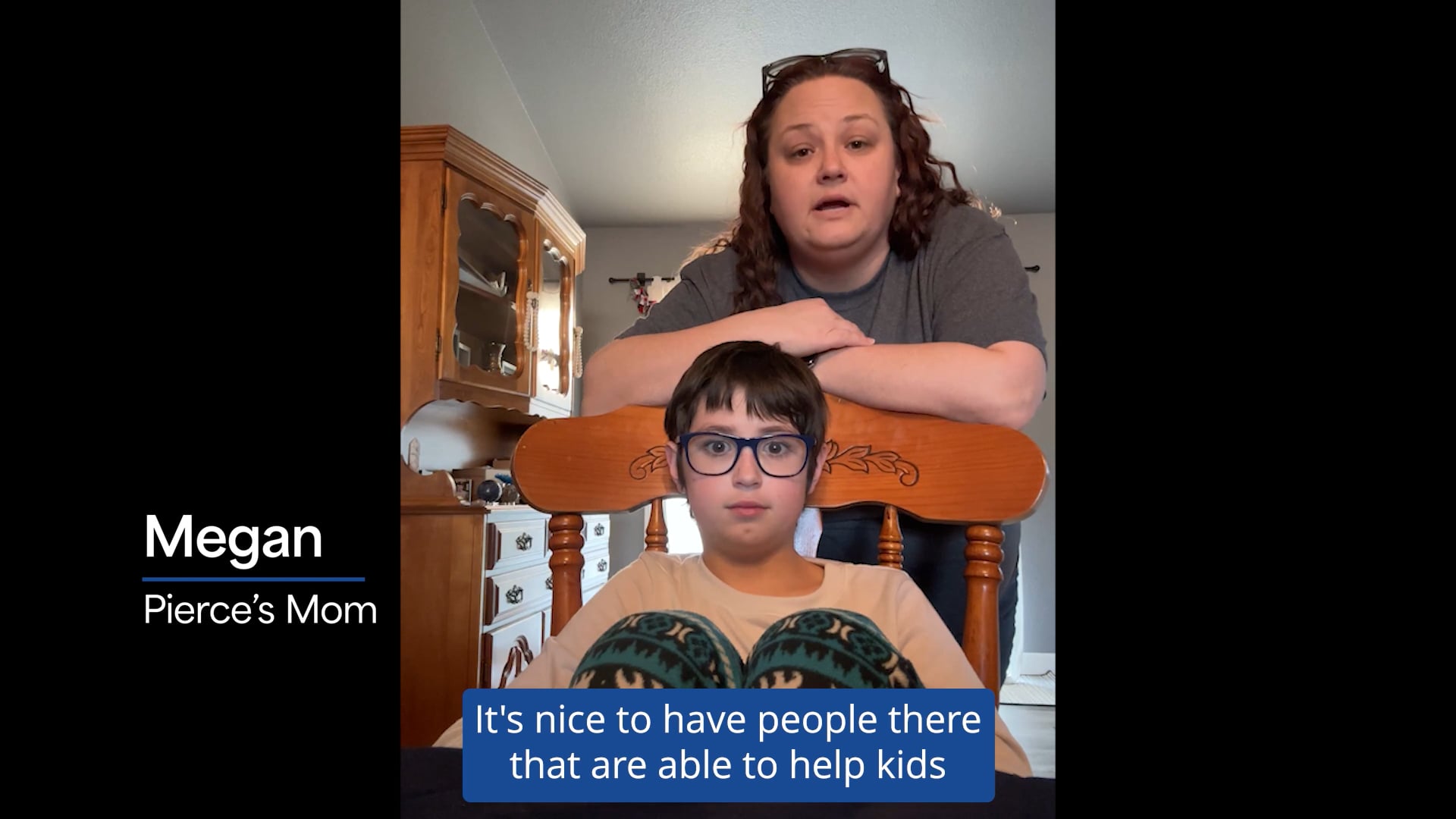
June 5, 2026 – What I really describe a Wellness Coach is, is a safe person whose only job is to figure out ‘what does this student need?’ A lot of times, our students don’t have an immediate mental health crisis. They just need to be heard.
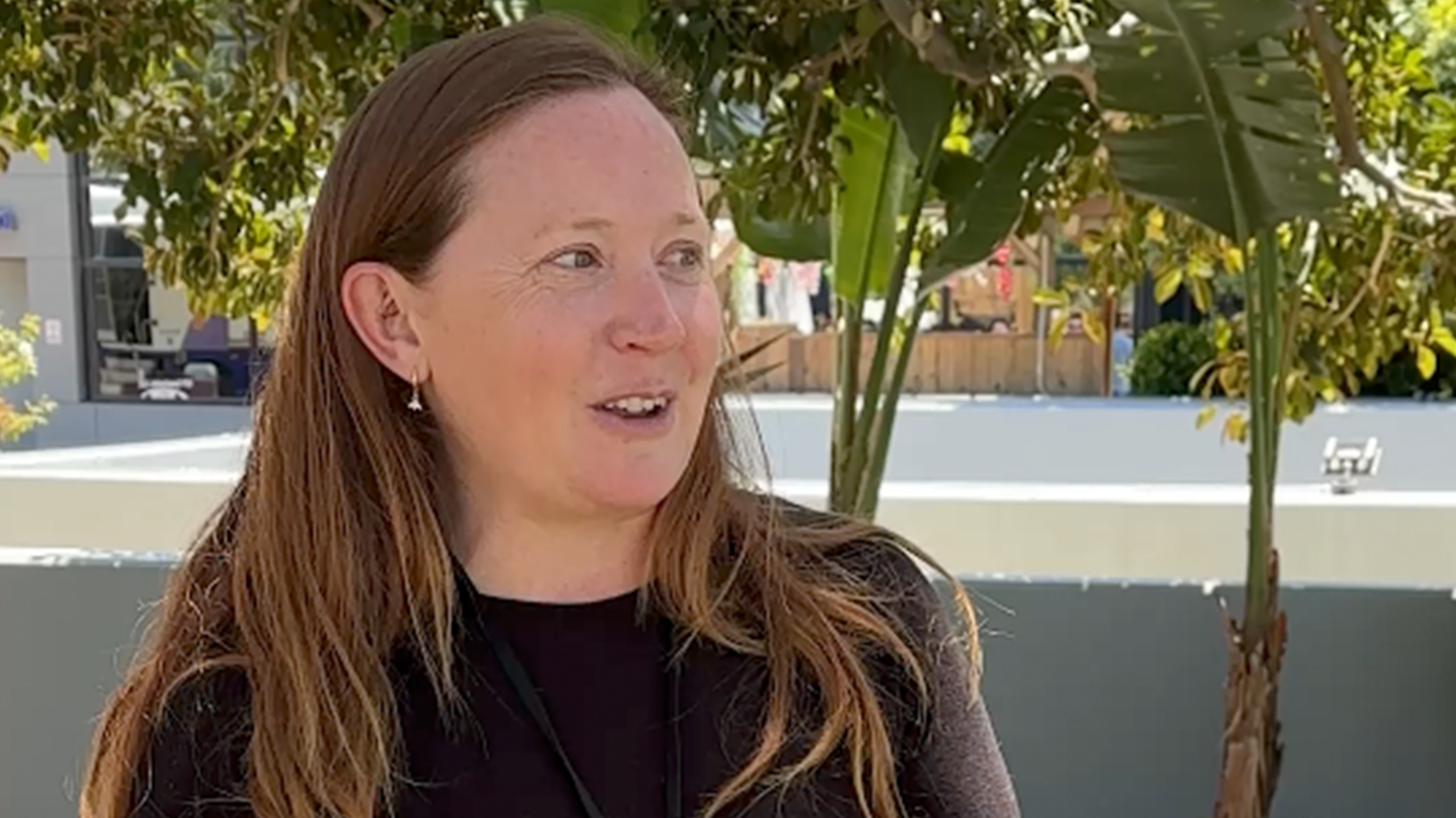
Matthew Reddam, LMFT, is the School and Community Wellness Advisor for Butte County Office of Education, and he understands the need for Certified Wellness Coaches in rural communities. Butte County Office of Education is just one of hundreds of employers in California who have integrated Wellness Coaches into their schools. Watch the full video to hear other insights from employers.
Curious about hiring or verifying a Certified Wellness Coach? Check out this page for information and FAQs for employers, and join our LinkedIn group to connect.
May News Roundup
May 13, 2026 – From bullying to cell phone bans to findings from the latest State of Teaching report, your May News Roundup is here.
Building Better Days Through What Actually Works
May 12, 2026 – Mental health awareness has opened the door.
But awareness doesn’t change outcomes on its own.
It has made conversations more visible, but visibility alone doesn’t ensure people get the support they need when it matters most.
In my work, and in the everyday moments outside of it, I’ve seen how often the hardest parts of this go unnoticed.
If we’re serious about creating more good days for young people, we have to look beyond visibility and into what actually works in practice. Not in theory. Not in pilot programs. In real, everyday life.
Because young people don’t experience mental health in neat categories. They experience it between classes, late at night, and in moments of overwhelm that don’t wait for scheduled appointments or perfect conditions.
And if we’re honest, those are often the moments we worry about the most, the ones we don’t always see clearly or know how to move forward.
So what do we do differently?
Make support easy to step into, not something to qualify for
The more steps it takes to access support, the more likely someone is to disengage before it even begins. We see it all the time. If something feels confusing, slow, or high-pressure, people don’t push through it, and their moment of need goes unsupported.
Sometimes that looks like searching for help and not knowing where to begin, so the moment passes because it already feels like too much. This isn’t about lowering standards. It’s about removing the quiet barriers that stop someone from starting at all.
Sometimes that means fewer steps, a faster response, or simply making the first interaction feel like a conversation instead of an assessment.
Prioritize connection before anything else
Before tools, before strategies, before outcomes, there has to be trust. People respond to support that feels human and consistent, not clinical in a way that creates distance.
As clinicians, we know this. As parents, as people who care about someone struggling, we feel this. The instinct to fix, to ask questions, to get it right, can sometimes get in the way of simply staying present. And presence is often where things begin to shift.
Stop measuring success only by big moments
We tend to look for breakthroughs. But most of the time, progress is quieter than that. It looks like someone staying in a conversation a little longer. Coming back the next day. Feeling just regulated enough to get through what’s in front of them.
Those shifts aren’t secondary. They’re the work, and often the clearest sign that support is actually reaching someone.
Meet people where they already are
Support that exists outside of someone’s daily life is harder to sustain, even when it’s high quality. Digital tools, flexible access points, and on-demand options allow support to show up in the moments it’s actually needed.
Not just when it’s scheduled, and not just when everything lines up perfectly.
Build with people, not just around them
Programs are more effective when they reflect the lived experience of the people using them. That includes language, design, tone, and delivery. When someone sees themselves in the support being offered, engagement becomes a natural next step, not something we have to continuously work to create.
At Soluna, we see the difference this makes. When support is accessible, human, and designed with intention, young people don’t just show up once. They come back. They stay. They start to build momentum in ways that feel sustainable.
Building better days, together
Creating more good days isn’t about adding more services. It’s about making the right support easier to access, easier to trust, and easier to return to. Because when we get that right, good days stop feeling unpredictable. They become something people can actually count on. And something the people who care about them can feel, too.
About the Author
Tammy Ramos, LCSW-QS, CCTP, is a nationally recognized leader in clinical trauma practice, education, and quality assurance with over 17 years of experience advancing mental health services. As the Senior Director of Clinical Quality and Education at Kooth, she drives strategic initiatives in clinical excellence, workforce development, and trauma-informed care in digital mental health. A Licensed Clinical Social Worker-Qualified Supervisor (LCSW-QS) and Certified Clinical Trauma Professional (CCTP), Tammy specializes in clinical governance, practitioner training, and digital mental health innovation, ensuring professionals are equipped to deliver high-impact, ethical, and trauma-responsive care in an evolving behavioral health landscape. Her leadership strengthens the intersection of quality, accessibility, and innovation in mental health, positioning her as a key voice in the industry.
Celebration Event Recap
May 1, 2026 – Happy Mental Health Awareness Month!
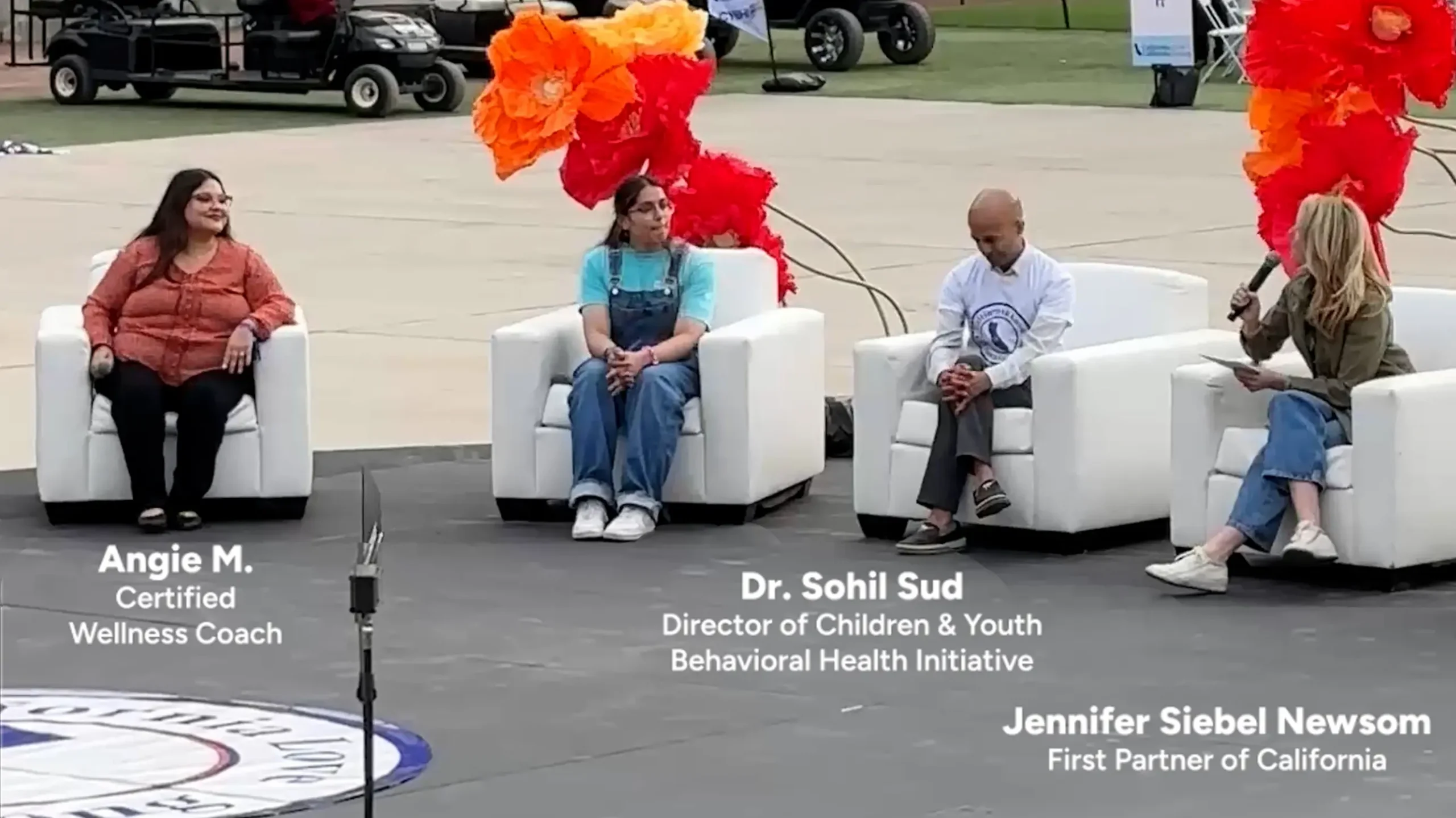
On February 19, 2026, the HCAI hosted a celebration marking the two-year anniversary of California’s newest behavioral health profession: the Certified Wellness Coach.
With nearly 650 people attending the hybrid event virtually and in-person, the day was filled with moving speeches and gratitude. Emceed by HCAI CWC Program Lead Sharmil Shah, we heard from HCAI Director Elizabeth Landsberg, Deputy Director of Health Workforce Development Libby Abbott, California Health and Human Services Secretary Kim Johnson, CYBHI Director Dr. Sohil Sud, and a special video message from First Partner Jennifer Siebel Newsom.
Guests also heard from employers, Certified Wellness Coaches, and youth from across the state, all with one clear takeaway: Coaches are making an impact on young lives, and the work they are doing matters.
Voices from California’s New Wellness Support Profession
April 26, 2026 – Lupe Santos remembers a time when no one in her trauma-ridden community knew what a Certified Wellness Coach was. “Now, teachers call me before a crisis happens. Students know they have someone on campus who listens,” she said.
As a Student Support Specialist for Las Plumas High School in Oroville, Lupe is a California Certified Wellness Coach (CWC) working for Butte County Office of Education — a community still healing from the historic 2018 Camp Fire.
Lupe was one of eight CWCs across California who joined a webinar hosted by the California School-Based Health Alliance to share how they build trusted relationships with students and strengthen comprehensive wellness supports on campus.
There are now more than 4,000 Certified Wellness Coaches throughout California, trained to support existing care teams in tackling the growing behavioral health challenges of children and youth. That number continues to grow thanks to Governor Gavin Newsom’s Master Plan for Kids’ Mental Health and the state’s Children and Youth Behavioral Health Initiative (CYBHI), which funded HCAI to develop and administer this profession.
CWCs provide non-clinical services — including wellness promotion, screening, care coordination, individual and group support, and crisis referral — embedded within school and community-based care teams under the guidance of credentialed personnel and clinicians.
Building Trust and Strengthening Connections
During the webinar, Wellness Coaches described their role as deeply relational and grounded in everyday presence — building trust long before a crisis occurs.
“It’s really important that we introduce ourselves in a formal way — why I’m here, how I can help, what services I provide,” said Sakina Ali, Certified Wellness Coach and Wellness Liaison at Santa Clara County Office of Education.
That consistent visibility creates pathways for students to seek support before challenges escalate. CWCs often become a first point of connection, helping students access school-based health services through warm hand-offs and follow-up.
“I stand at the gates every morning greeting families, high-fiving students, and making sure they see a familiar face. When a tough moment happens later in the day, they already know me and feel safe walking into the Wellness Center,” said Jasmin Montalbo, a CWC and Student Support Specialist at Ceres Unified School District in Stanislaus County.
Beyond individual interactions, CWCs are contributing to a broader cultural shift. Through groups, events, and daily presence, they help normalize conversations about well-being.
“Sometimes you don’t see change right away — it’s happening,” said Karl Travis, CWC at Oroville High School. Gloria Cruz, CWC at Westport Elementary in Ceres Unified, agreed: “This is an evolving journey — and it’s exciting. Wellness is becoming part of school culture.”
Click here to watch a recording of the webinar or here to view tips for new Certified Wellness Coaches.
April News Roundup
April 15, 2026 – From gambling addictions in youth to the recent Meta and Google social media harms trial, click through to read the April roundup of behavioral health news you can use.
Students Take Action on Mental Health
March 31, 2026 – On March 21, over 170 Bay Area teens joined together to participate in the University of California, San Francisco’s (UCSF’s) Science and Health Education Partnership (SEP) final Teen Wellness Summit.
The event was part of UCSF SEP’s Teen Wellness Connection (TWC) program. The summit agenda included keynote speakers, breakout sessions, a resource fair, and a closing celebration of student changemakers. The event created space for conversations about something that doesn’t get talked about enough: what it actually feels like to be a young person navigating mental health today.
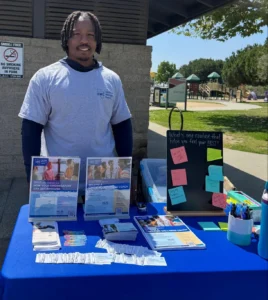
The Certified Wellness Coach (CWC) Community Engagement Team was there and participated in the summit’s resource fair. The CWC table created an opportunity for teens to learn about the program and what a future career in mental health could look like. Teens were invited to write anonymously what they wished more people understood about teen mental health. Their responses were honest and unfiltered.

“It’s not just a ‘phase.'”
“Just because someone has it ‘worse’ doesn’t mean your problems don’t matter.”
“I wish there were more people talking about it.”
Rachel Harris, Academic Coordinator at UCSF SEP, spoke with the CWC Community Engagement Team and shared highlights of what she has learned over the past four years coordinating TWC. She shared that “the motivating thing is just knowing that this event is so exciting and energizing, but also that we’re changing the lives of the teens who are in our program and the lives of the 170 attendees who show up on this day.”

Year after year, that exchange runs in both directions. “Every year our presenters come back, they say they learned something new,” Rachel reflected. “It’s been a sharing experience, not just UCSF presenters giving information to teens, but also teens giving back to our presenters.”
This is a reminder that young people aren’t passive recipients of information about their own well-being. They have insights, experiences, and perspectives that are worth listening to. What they need is someone willing to have that two-way conversation — a trusted adult with the skills to actually show up for them, not just with a referral, but with presence, tools, and a genuine understanding of youth wellness.
That’s exactly what CWCs are trained to do. The students who showed up to this summit were passionate, informed, and already thinking about how to support the people around them. Today, they are advocates, providing a window into teen mental health. Tomorrow, they are the future of the behavioral health field.
If you care about youth mental health, consider becoming a CWC. The next generation isn’t waiting.
If you have an upcoming event our CWC Community Engagement Team could attend, please send us an invite and share event details at [email protected].
First Partner Jennifer Siebel Newsom Celebrates Certified Wellness Coaches
March 31, 2026 – On February 19, 2026, the mother of four and First Partner Jennifer Siebel Newsom spoke to Certified Wellness Coaches in honor of a huge milestone: our 2-year anniversary!
“So, for me, as a mom of four, protecting our kids’ well-being is the most important thing in my life. And at the end of the day, if we’re going to raise a generation of children who are healthy in mind, body, and spirit, we have to ensure that the world around them supports that. So, to the Certified Wellness Coaches, thank you so much. Your work matters more than you know.”
Watch her full message to all Certified Wellness Coaches in the video, and if you’re curious about becoming or hiring a Certified Wellness Coach, click here to find your path!
Stay
Updated
HCAI partners with California Community Colleges, California State Universities, and private nonprofit universities whose curricula meet all the requirements for a student to apply for a Wellness Coach certification upon graduation.
Stay up to date with the latest details about the program, timelines, and grant opportunities.
Stay
Updated
Stay up to date with the latest details about the program, timelines, and grant opportunities.