
May 13, 2026 – From bullying to cell phone bans to findings from the latest State of Teaching report, your May News Roundup is here.
News For Parents
Building Better Days Through What Actually Works
May 12, 2026 – Mental health awareness has opened the door.
But awareness doesn’t change outcomes on its own.
It has made conversations more visible, but visibility alone doesn’t ensure people get the support they need when it matters most.
In my work, and in the everyday moments outside of it, I’ve seen how often the hardest parts of this go unnoticed.
If we’re serious about creating more good days for young people, we have to look beyond visibility and into what actually works in practice. Not in theory. Not in pilot programs. In real, everyday life.
Because young people don’t experience mental health in neat categories. They experience it between classes, late at night, and in moments of overwhelm that don’t wait for scheduled appointments or perfect conditions.
And if we’re honest, those are often the moments we worry about the most, the ones we don’t always see clearly or know how to move forward.
So what do we do differently?
Make support easy to step into, not something to qualify for
The more steps it takes to access support, the more likely someone is to disengage before it even begins. We see it all the time. If something feels confusing, slow, or high-pressure, people don’t push through it, and their moment of need goes unsupported.
Sometimes that looks like searching for help and not knowing where to begin, so the moment passes because it already feels like too much. This isn’t about lowering standards. It’s about removing the quiet barriers that stop someone from starting at all.
Sometimes that means fewer steps, a faster response, or simply making the first interaction feel like a conversation instead of an assessment.
Prioritize connection before anything else
Before tools, before strategies, before outcomes, there has to be trust. People respond to support that feels human and consistent, not clinical in a way that creates distance.
As clinicians, we know this. As parents, as people who care about someone struggling, we feel this. The instinct to fix, to ask questions, to get it right, can sometimes get in the way of simply staying present. And presence is often where things begin to shift.
Stop measuring success only by big moments
We tend to look for breakthroughs. But most of the time, progress is quieter than that. It looks like someone staying in a conversation a little longer. Coming back the next day. Feeling just regulated enough to get through what’s in front of them.
Those shifts aren’t secondary. They’re the work, and often the clearest sign that support is actually reaching someone.
Meet people where they already are
Support that exists outside of someone’s daily life is harder to sustain, even when it’s high quality. Digital tools, flexible access points, and on-demand options allow support to show up in the moments it’s actually needed.
Not just when it’s scheduled, and not just when everything lines up perfectly.
Build with people, not just around them
Programs are more effective when they reflect the lived experience of the people using them. That includes language, design, tone, and delivery. When someone sees themselves in the support being offered, engagement becomes a natural next step, not something we have to continuously work to create.
At Soluna, we see the difference this makes. When support is accessible, human, and designed with intention, young people don’t just show up once. They come back. They stay. They start to build momentum in ways that feel sustainable.
Building better days, together
Creating more good days isn’t about adding more services. It’s about making the right support easier to access, easier to trust, and easier to return to. Because when we get that right, good days stop feeling unpredictable. They become something people can actually count on. And something the people who care about them can feel, too.
About the Author
 Tammy Ramos, LCSW-QS, CCTP, is a nationally recognized leader in clinical trauma practice, education, and quality assurance with over 17 years of experience advancing mental health services. As the Senior Director of Clinical Quality and Education at Kooth, she drives strategic initiatives in clinical excellence, workforce development, and trauma-informed care in digital mental health. A Licensed Clinical Social Worker-Qualified Supervisor (LCSW-QS) and Certified Clinical Trauma Professional (CCTP), Tammy specializes in clinical governance, practitioner training, and digital mental health innovation, ensuring professionals are equipped to deliver high-impact, ethical, and trauma-responsive care in an evolving behavioral health landscape. Her leadership strengthens the intersection of quality, accessibility, and innovation in mental health, positioning her as a key voice in the industry.
Celebration Event Recap
May 1, 2026 – Happy Mental Health Awareness Month!
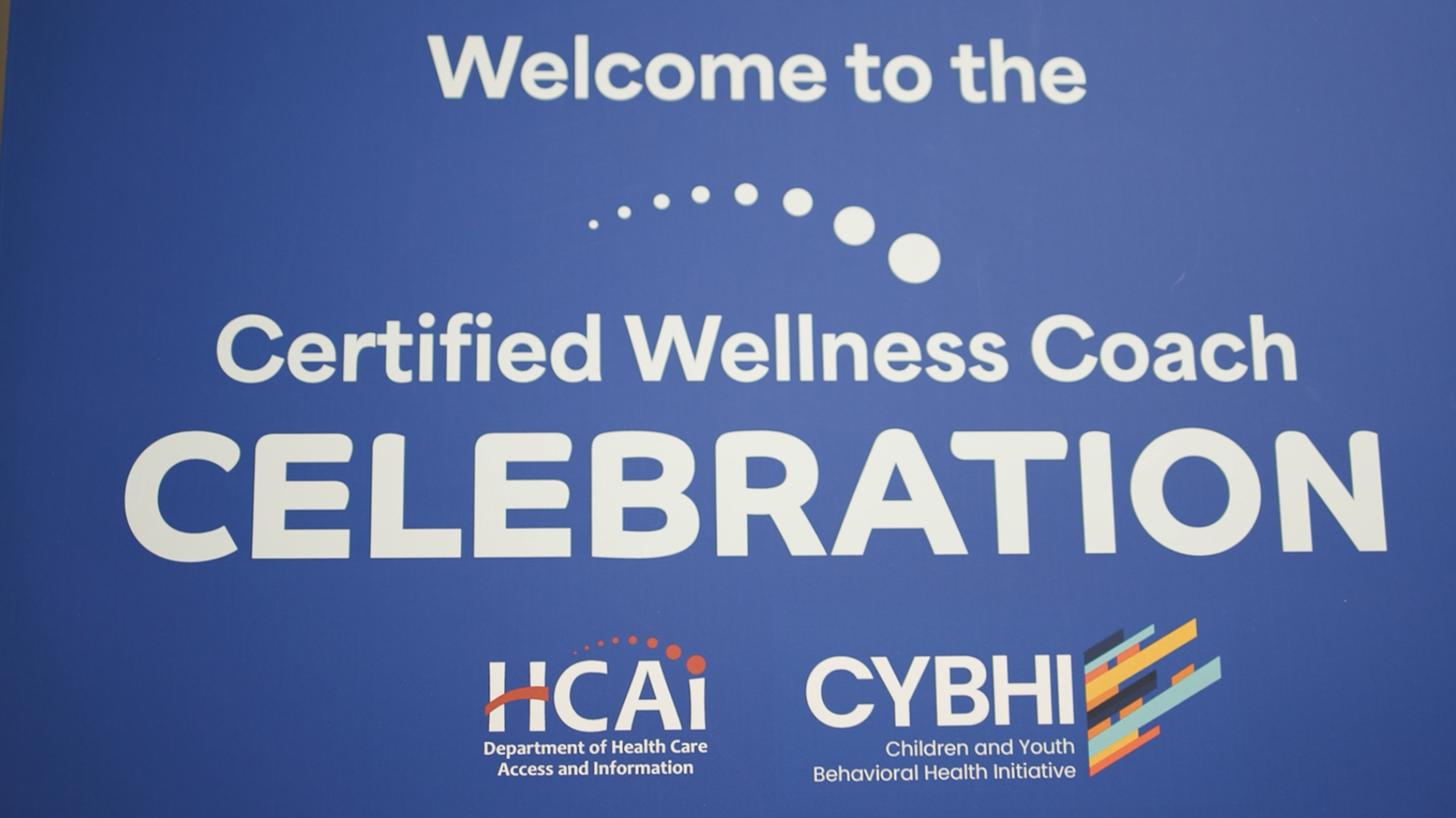
On February 19, 2026, the HCAI hosted a celebration marking the two-year anniversary of California’s newest behavioral health profession: the Certified Wellness Coach.
With nearly 650 people attending the hybrid event virtually and in-person, the day was filled with moving speeches and gratitude. Emceed by HCAI CWC Program Lead Sharmil Shah, we heard from HCAI Director Elizabeth Landsberg, Deputy Director of Health Workforce Development Libby Abbott, California Health and Human Services Secretary Kim Johnson, CYBHI Director Dr. Sohil Sud, and a special video message from First Partner Jennifer Siebel Newsom.
Guests also heard from employers, Certified Wellness Coaches, and youth from across the state, all with one clear takeaway: Coaches are making an impact on young lives, and the work they are doing matters.
Voices from California’s New Wellness Support Profession
April 26, 2026 – Lupe Santos remembers a time when no one in her trauma-ridden community knew what a Certified Wellness Coach was. “Now, teachers call me before a crisis happens. Students know they have someone on campus who listens,” she said.
As a Student Support Specialist for Las Plumas High School in Oroville, Lupe is a California Certified Wellness Coach (CWC) working for Butte County Office of Education — a community still healing from the historic 2018 Camp Fire.
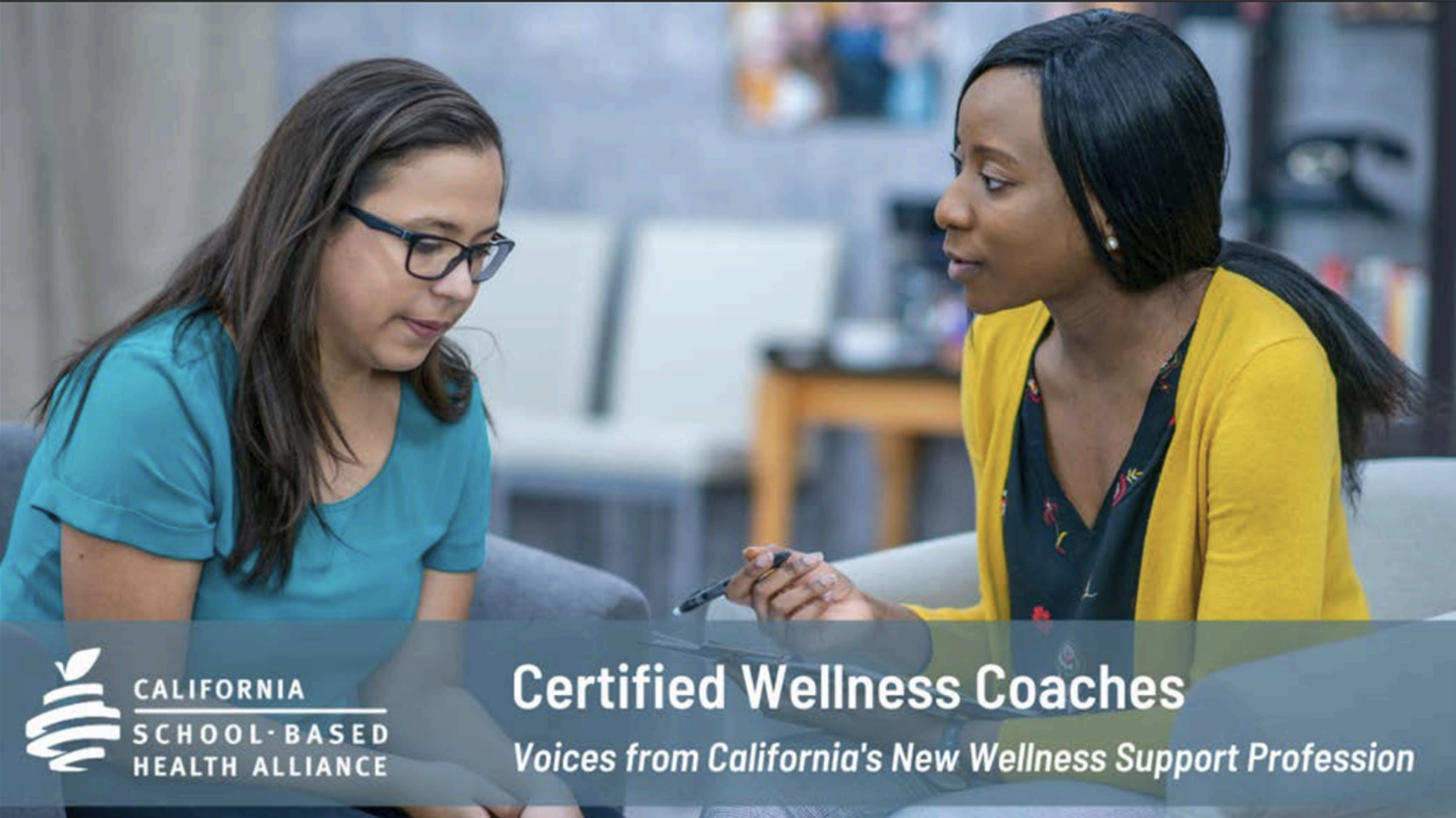
Lupe was one of eight CWCs across California who joined a webinar hosted by the California School-Based Health Alliance to share how they build trusted relationships with students and strengthen comprehensive wellness supports on campus.
There are now more than 4,000 Certified Wellness Coaches throughout California, trained to support existing care teams in tackling the growing behavioral health challenges of children and youth. That number continues to grow thanks to Governor Gavin Newsom’s Master Plan for Kids’ Mental Health and the state’s Children and Youth Behavioral Health Initiative (CYBHI), which funded HCAI to develop and administer this profession.
CWCs provide non-clinical services — including wellness promotion, screening, care coordination, individual and group support, and crisis referral — embedded within school and community-based care teams under the guidance of credentialed personnel and clinicians.
Building Trust and Strengthening Connections
During the webinar, Wellness Coaches described their role as deeply relational and grounded in everyday presence — building trust long before a crisis occurs.
“It’s really important that we introduce ourselves in a formal way — why I’m here, how I can help, what services I provide,” said Sakina Ali, Certified Wellness Coach and Wellness Liaison at Santa Clara County Office of Education.
That consistent visibility creates pathways for students to seek support before challenges escalate. CWCs often become a first point of connection, helping students access school-based health services through warm hand-offs and follow-up.
“I stand at the gates every morning greeting families, high-fiving students, and making sure they see a familiar face. When a tough moment happens later in the day, they already know me and feel safe walking into the Wellness Center,” said Jasmin Montalbo, a CWC and Student Support Specialist at Ceres Unified School District in Stanislaus County.
Beyond individual interactions, CWCs are contributing to a broader cultural shift. Through groups, events, and daily presence, they help normalize conversations about well-being.
“Sometimes you don’t see change right away — it’s happening,” said Karl Travis, CWC at Oroville High School. Gloria Cruz, CWC at Westport Elementary in Ceres Unified, agreed: “This is an evolving journey — and it’s exciting. Wellness is becoming part of school culture.”
Click here to watch a recording of the webinar or here to view tips for new Certified Wellness Coaches.
April News Roundup
April 15, 2026 – From gambling addictions in youth to the recent Meta and Google social media harms trial, click through to read the April roundup of behavioral health news you can use.
Students Take Action on Mental Health
March 31, 2026 – On March 21, over 170 Bay Area teens joined together to participate in the University of California, San Francisco’s (UCSF’s) Science and Health Education Partnership (SEP) final Teen Wellness Summit.
The event was part of UCSF SEP’s Teen Wellness Connection (TWC) program. The summit agenda included keynote speakers, breakout sessions, a resource fair, and a closing celebration of student changemakers. The event created space for conversations about something that doesn’t get talked about enough: what it actually feels like to be a young person navigating mental health today.
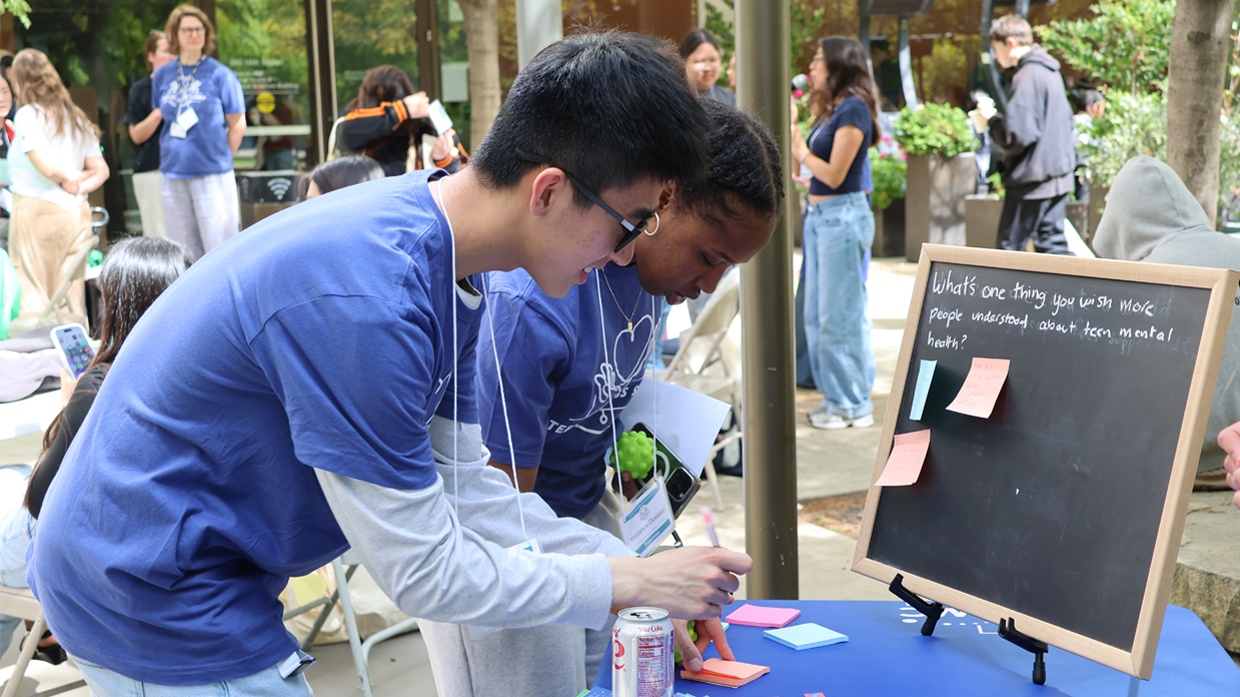
The Certified Wellness Coach (CWC) Community Engagement Team was there and participated in the summit’s resource fair. The CWC table created an opportunity for teens to learn about the program and what a future career in mental health could look like. Teens were invited to write anonymously what they wished more people understood about teen mental health. Their responses were honest and unfiltered.
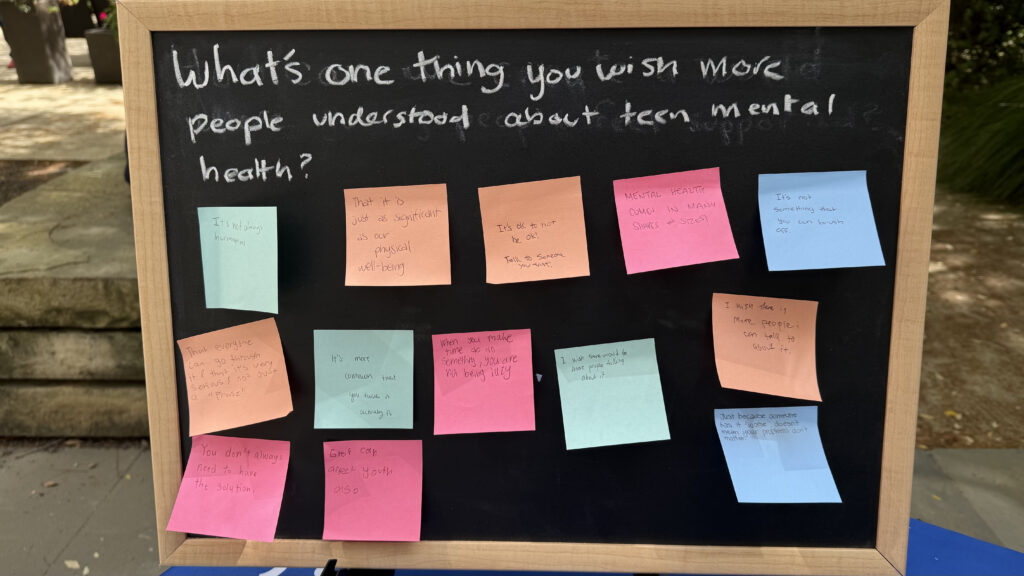
“It’s not just a ‘phase.'”
“Just because someone has it ‘worse’ doesn’t mean your problems don’t matter.”
“I wish there were more people talking about it.”
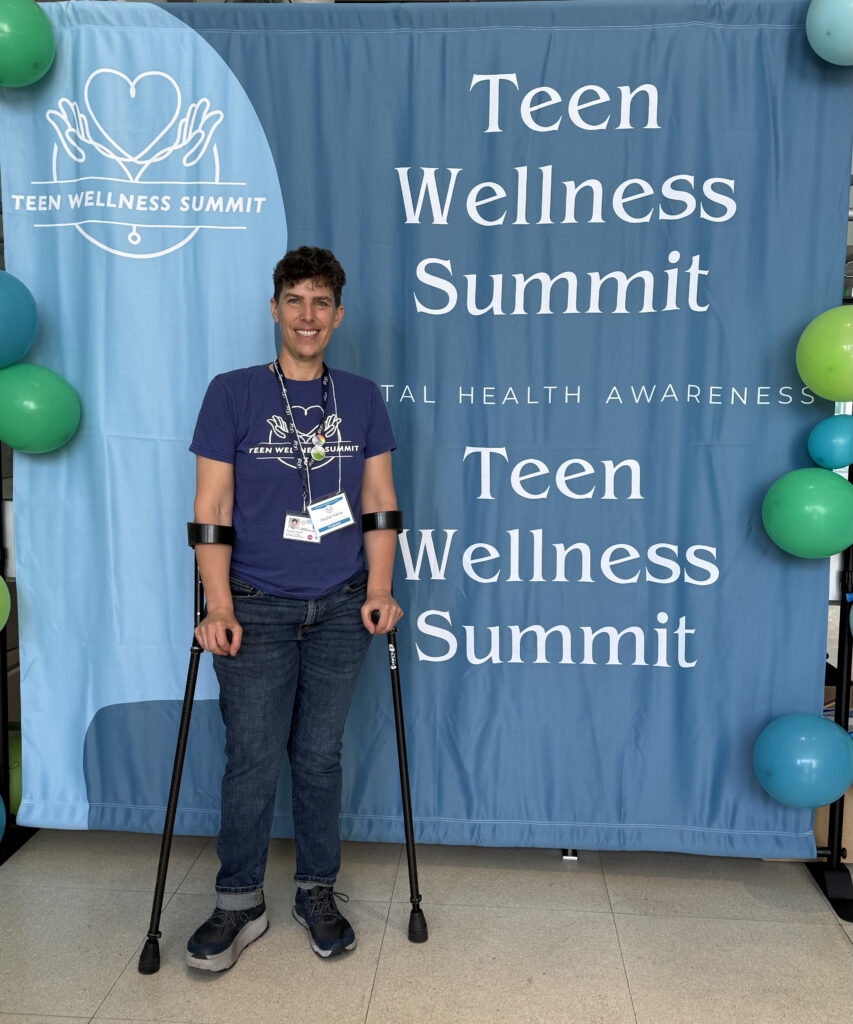
Rachel Harris, Academic Coordinator at UCSF SEP, spoke with the CWC Community Engagement Team and shared highlights of what she has learned over the past four years coordinating TWC. She shared that “the motivating thing is just knowing that this event is so exciting and energizing, but also that we’re changing the lives of the teens who are in our program and the lives of the 170 attendees who show up on this day.”
Year after year, that exchange runs in both directions. “Every year our presenters come back, they say they learned something new,” Rachel reflected. “It’s been a sharing experience, not just UCSF presenters giving information to teens, but also teens giving back to our presenters.”
This is a reminder that young people aren’t passive recipients of information about their own well-being. They have insights, experiences, and perspectives that are worth listening to. What they need is someone willing to have that two-way conversation — a trusted adult with the skills to actually show up for them, not just with a referral, but with presence, tools, and a genuine understanding of youth wellness.
That’s exactly what CWCs are trained to do. The students who showed up to this summit were passionate, informed, and already thinking about how to support the people around them. Today, they are advocates, providing a window into teen mental health. Tomorrow, they are the future of the behavioral health field.
If you care about youth mental health, consider becoming a CWC. The next generation isn’t waiting.
If you have an upcoming event our CWC Community Engagement Team could attend, please send us an invite and share event details at [email protected].
First Partner Jennifer Siebel Newsom Celebrates Certified Wellness Coaches
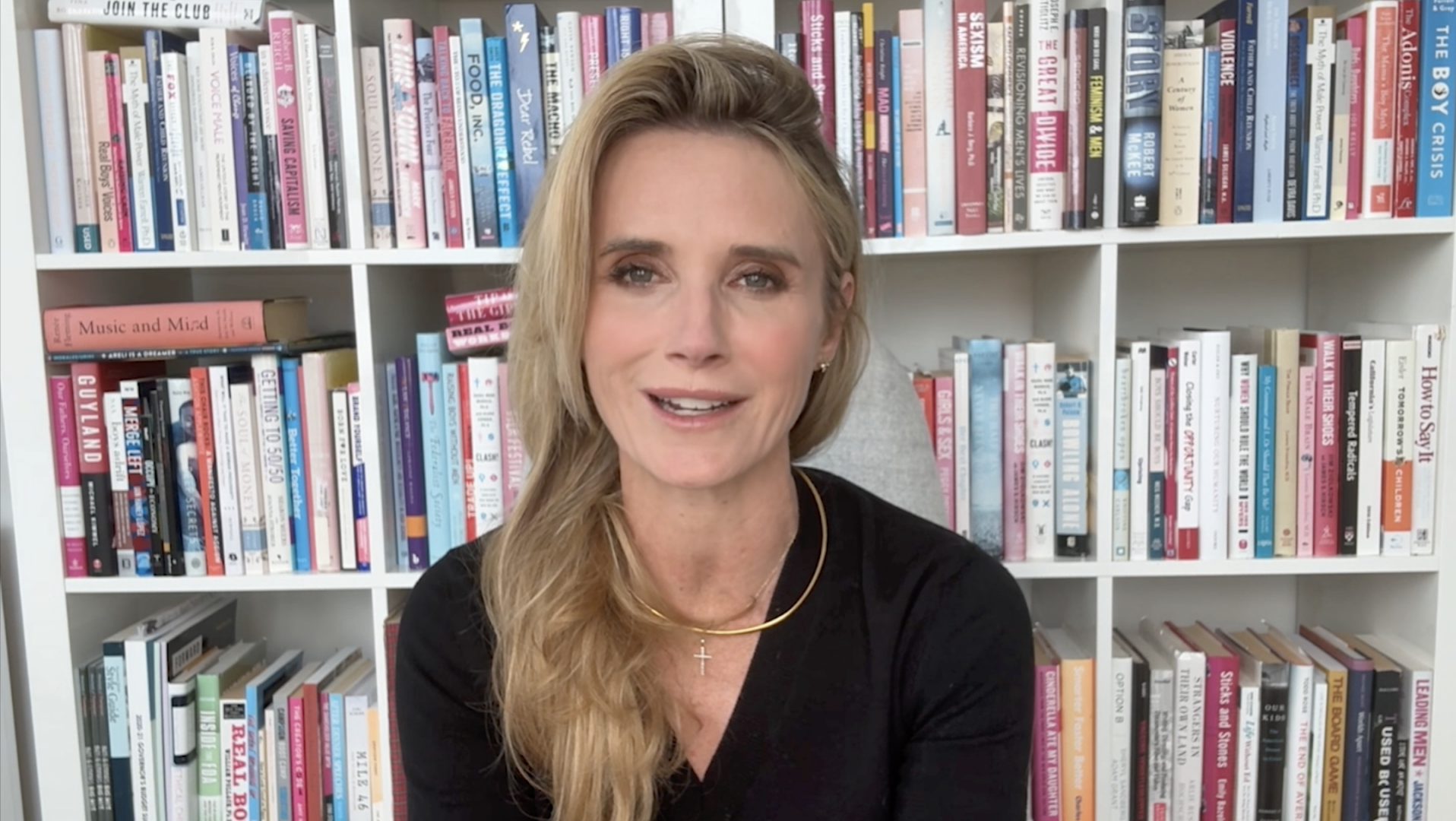
March 31, 2026 – On February 19, 2026, the mother of four and First Partner Jennifer Siebel Newsom spoke to Certified Wellness Coaches in honor of a huge milestone: our 2-year anniversary!
“So, for me, as a mom of four, protecting our kids’ well-being is the most important thing in my life. And at the end of the day, if we’re going to raise a generation of children who are healthy in mind, body, and spirit, we have to ensure that the world around them supports that. So, to the Certified Wellness Coaches, thank you so much. Your work matters more than you know.”
Watch her full message to all Certified Wellness Coaches in the video, and if you’re curious about becoming or hiring a Certified Wellness Coach, click here to find your path!
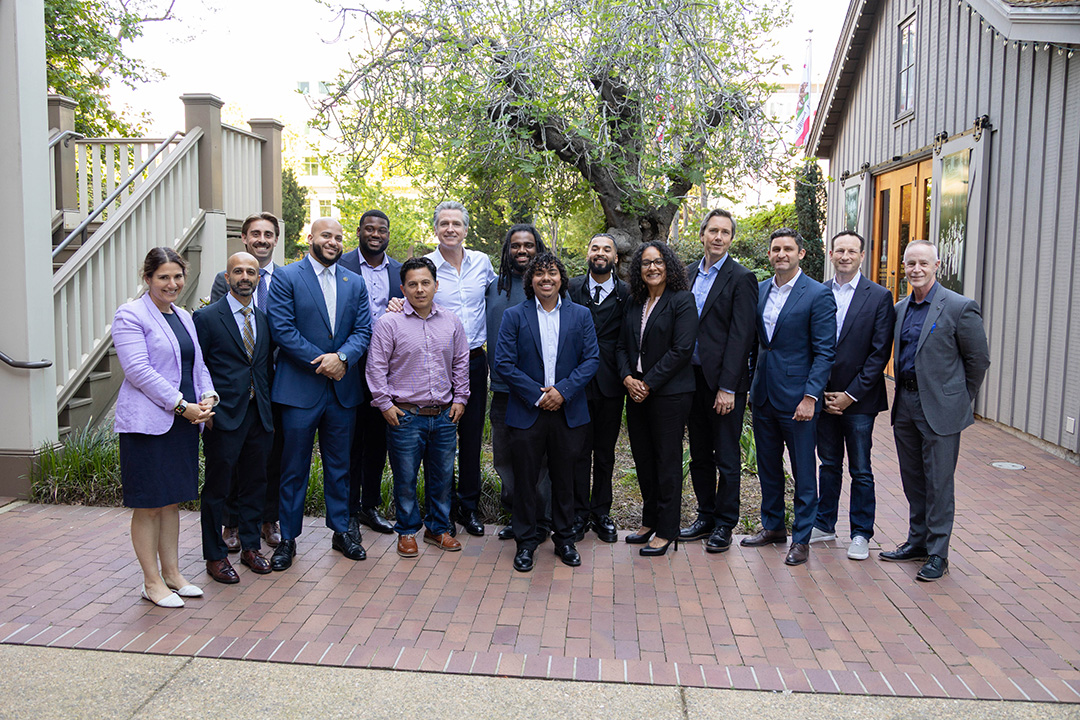
Certified Wellness Coach Speaks at Governor’s Convening
March 25, 2026 – Now, more than ever, California’s boys and young men need our support.
Nearly 1 in 4 young men report having no close friends.
Men are over 3x more likely to die from a drug overdose.
And in California, men die by suicide at 3.6x the rate of women, yet are far less likely to seek help.
These are just a few reasons why Governor Gavin Newsom and First Partner Jennifer Siebel Newsom convened national and state leaders in Sacramento on March 25. Their goal? To advance solutions for boys and young men.
A familiar face, Sacramento County Office of Education Certified Wellness Coach Jordan Coleman, spoke at the Governor’s event.
“During previous generations the ‘one size fits all’ method has been accepted but it hasn’t worked,” said Coleman. “We have the knowledge and data to clearly see that we are failing our young men. Our youth need leaders who are willing to hear them, understand them, and meet them where they are.”
Click here to read the full story.

March News Roundup
March 16, 2026 – Your March edition of the Monthly News Roundup is here!
Check back each month for more behavioral health news you can use.
Two Years Strong
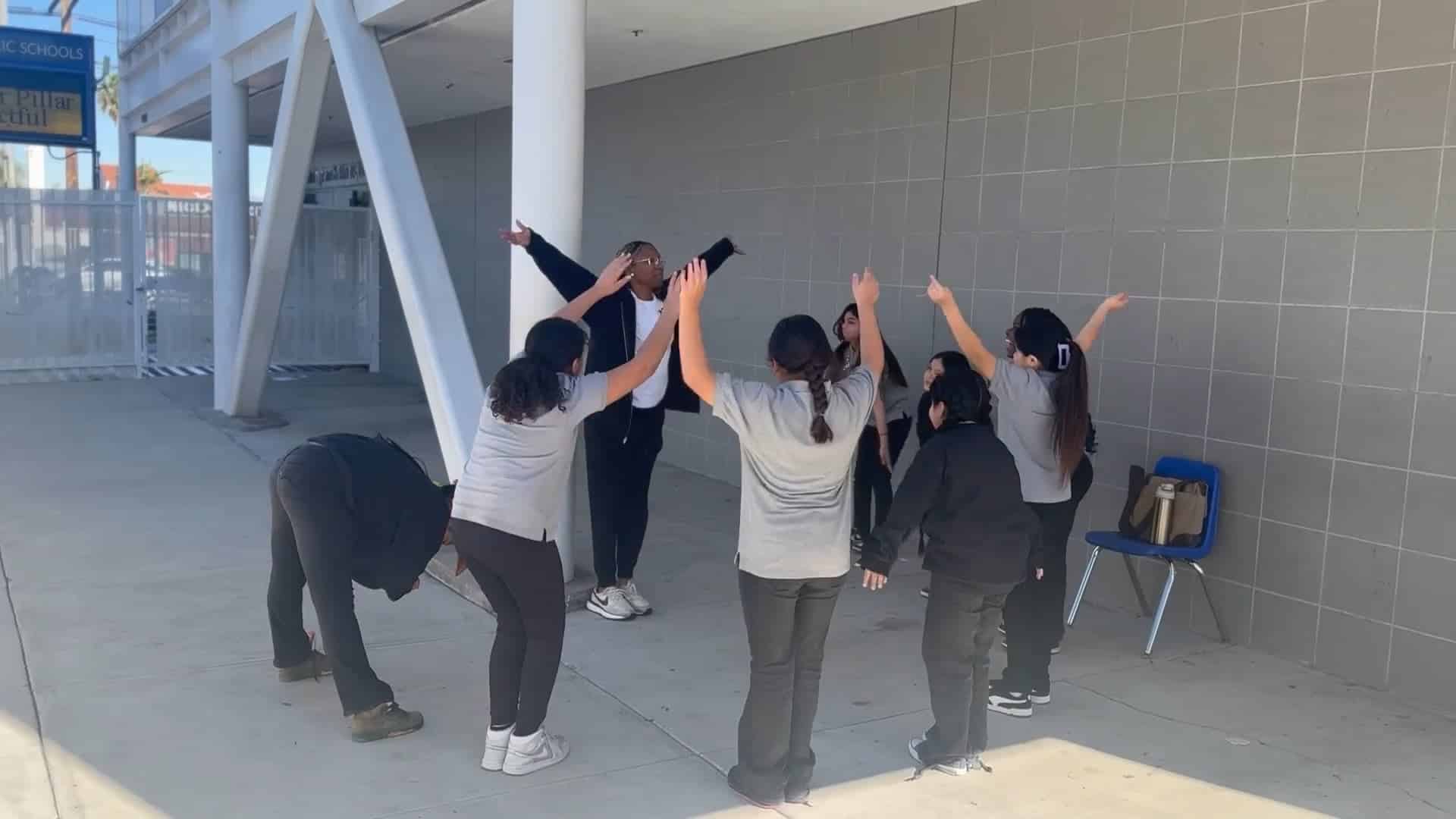
February 25, 2026 – Two years ago, California made a bold investment in the mental health and wellness of children and youth. The Certified Wellness Coach profession was born.
Today, there are over 4,000 Wellness Coaches in the state, working at over 745 sites and serving hundreds of communities. 600 scholarships have gone to future Wellness Coaches, and $127 million has been awarded in school and employer grants to help grow their Wellness Coach workforce.
Over 176,000 students in our state are already receiving support from Wellness Coaches, meeting youth where they are. And we are just getting started. Thank you to everyone who has been a part of this important work. Onward!